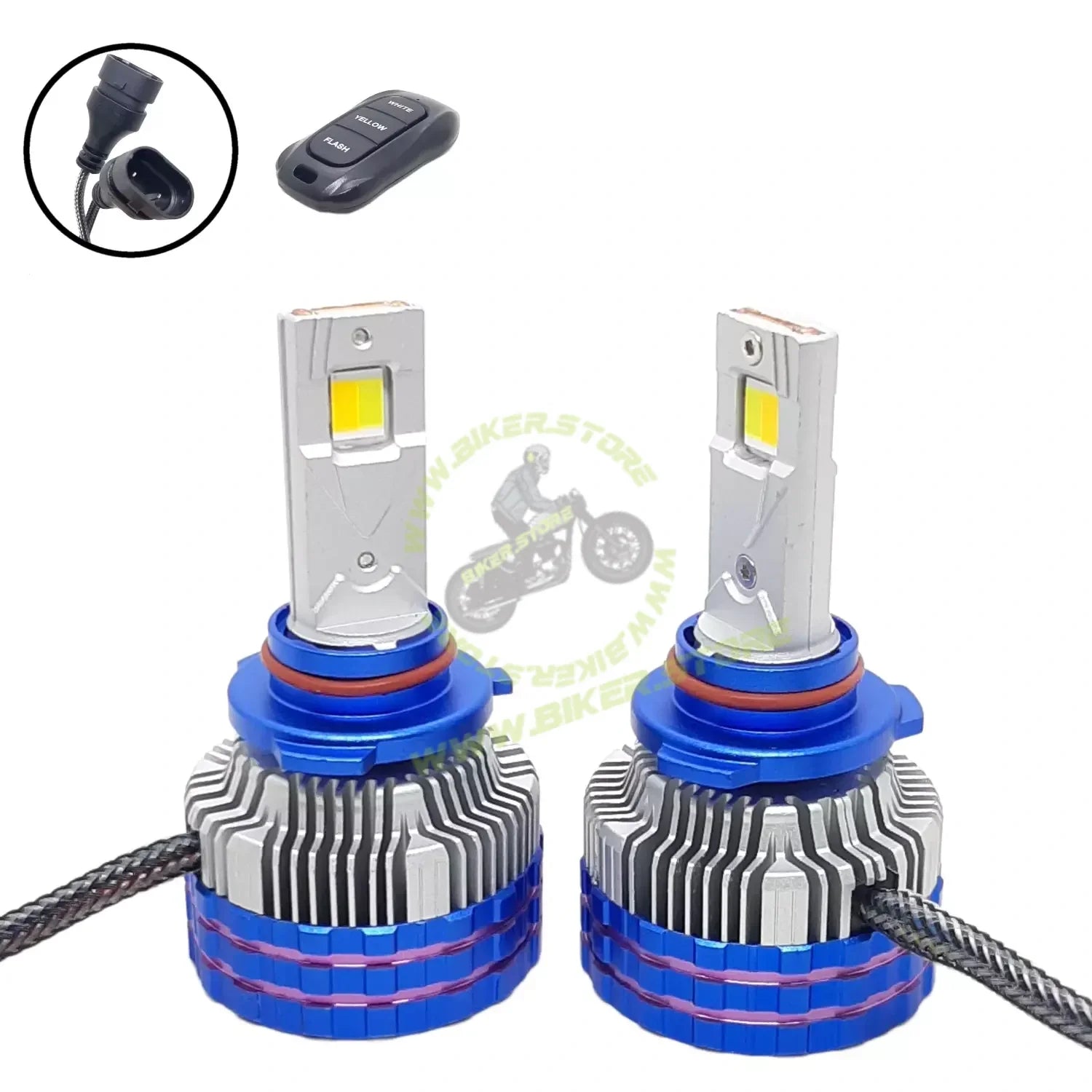
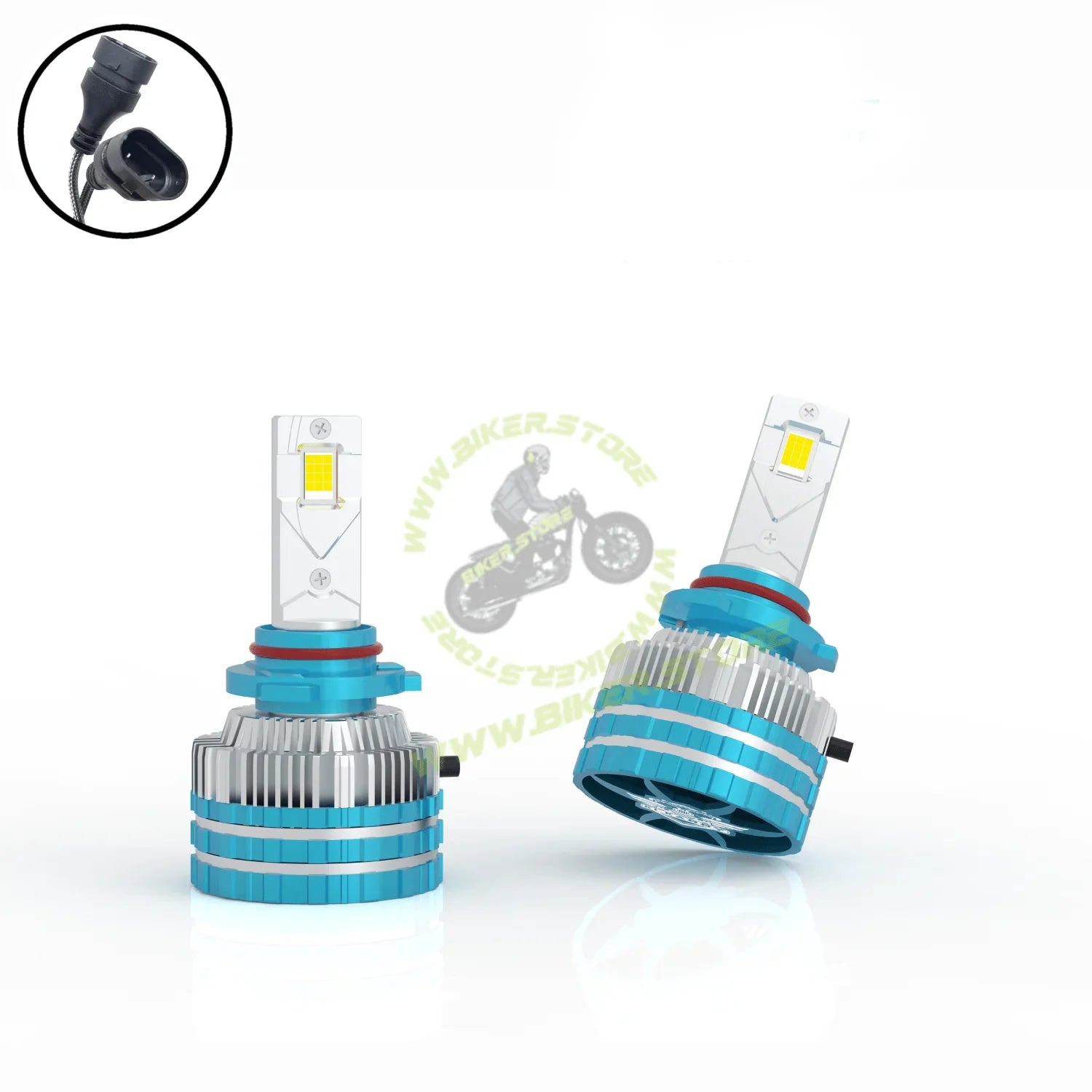
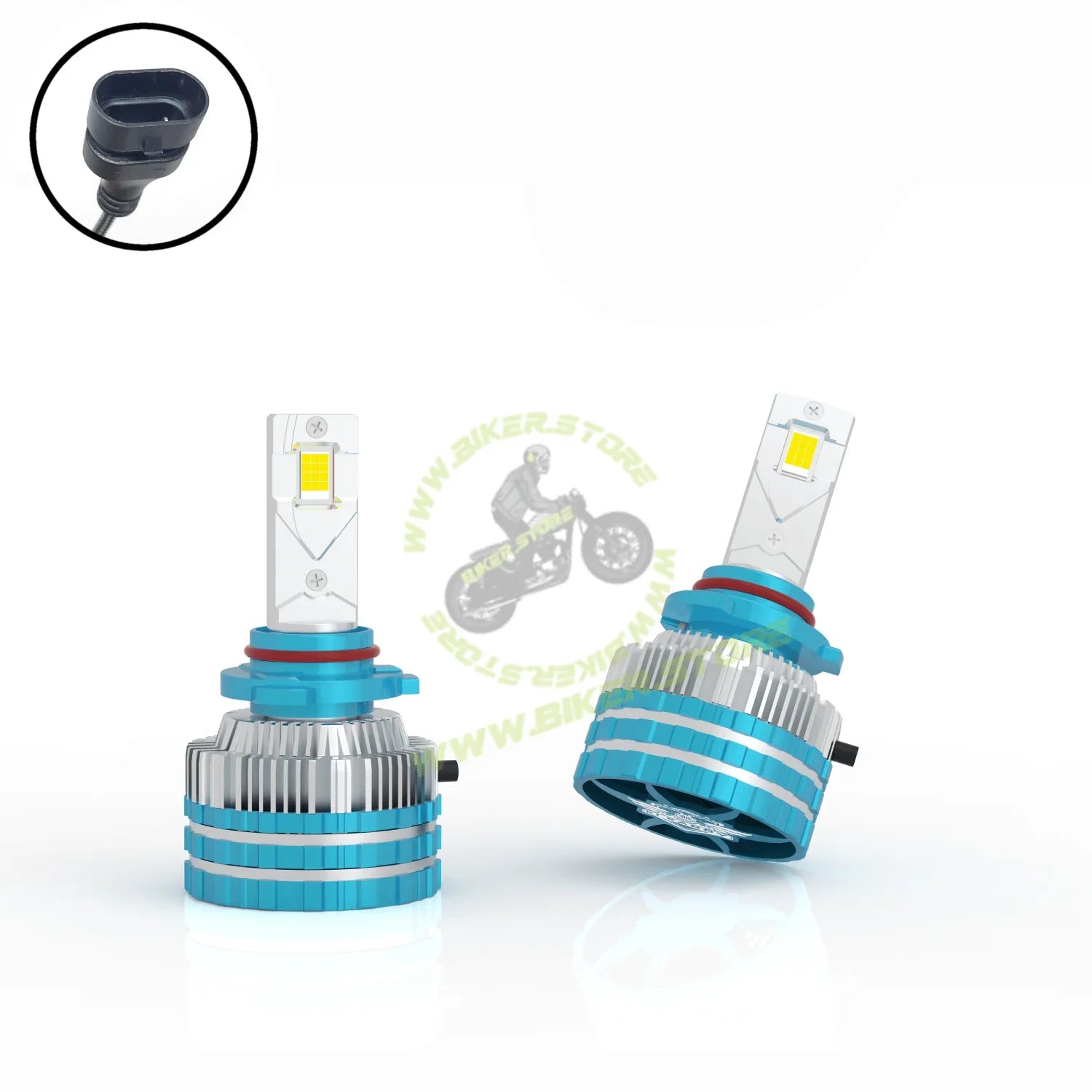
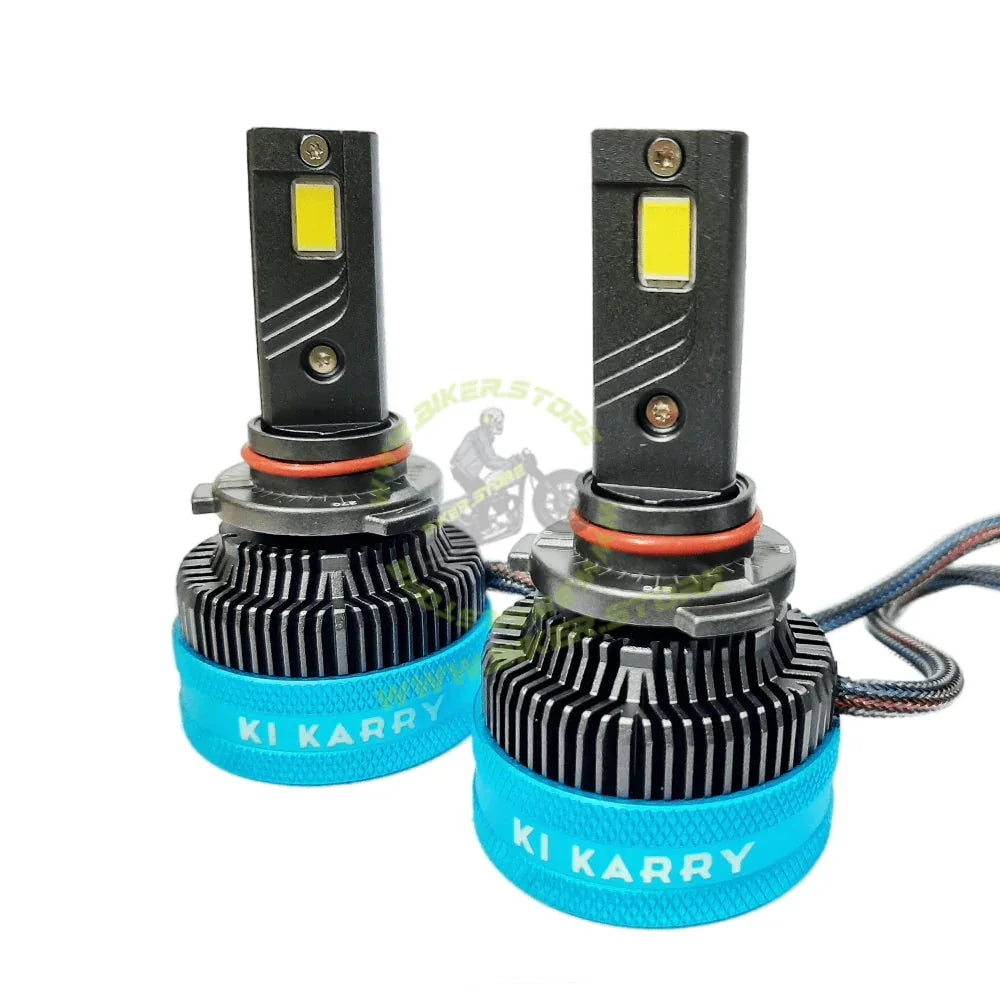
9005 / HB3 LED Upgrades: The Physics of High-Beam Illumination | www.biker.store
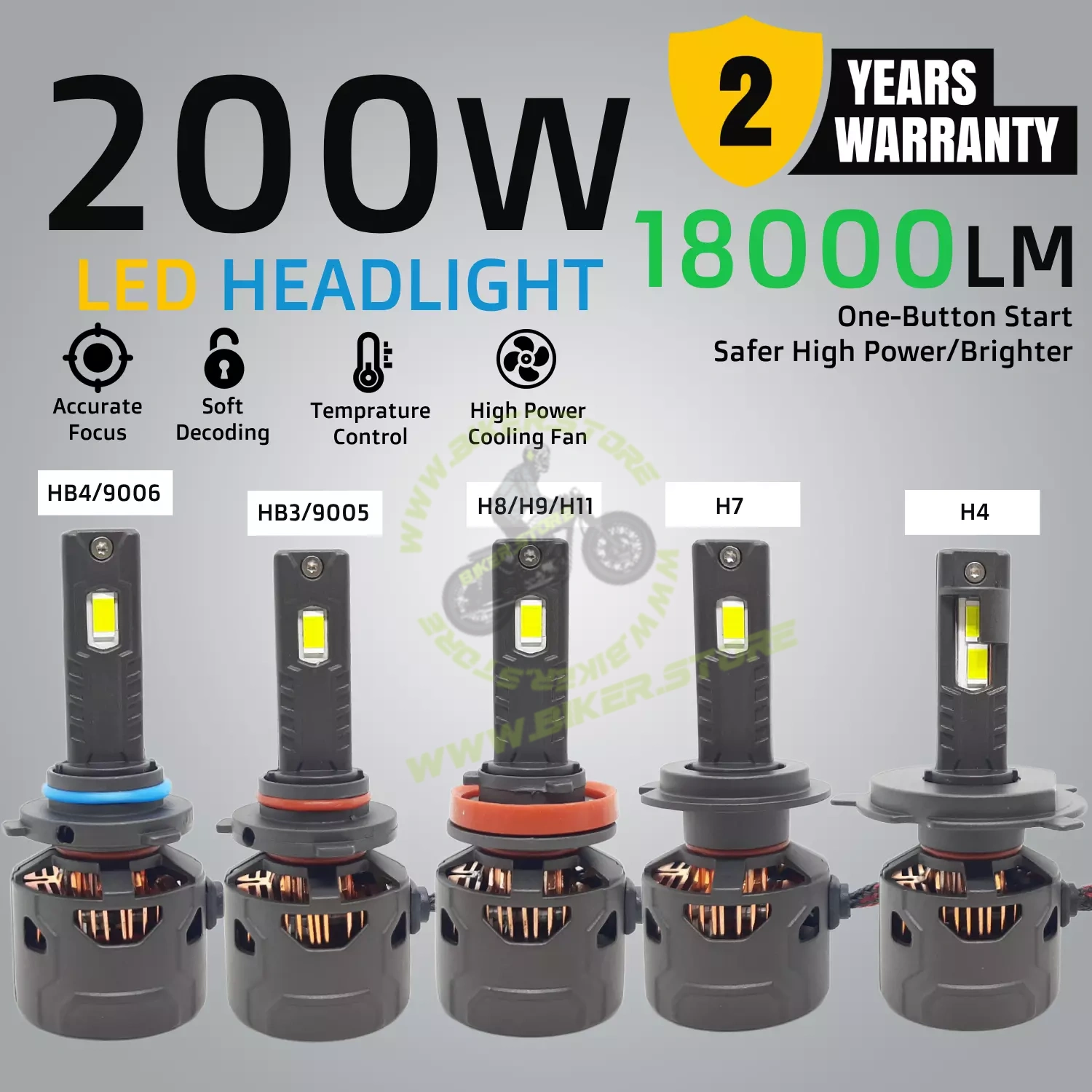
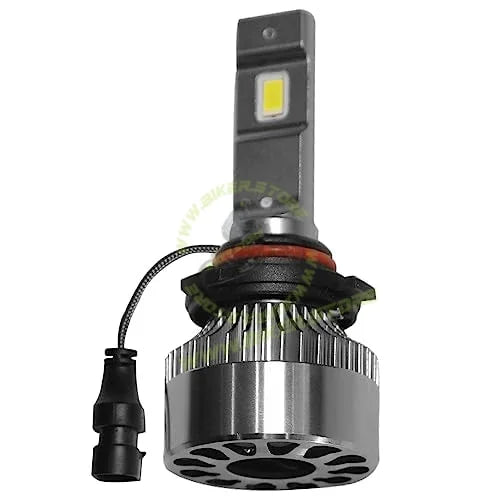
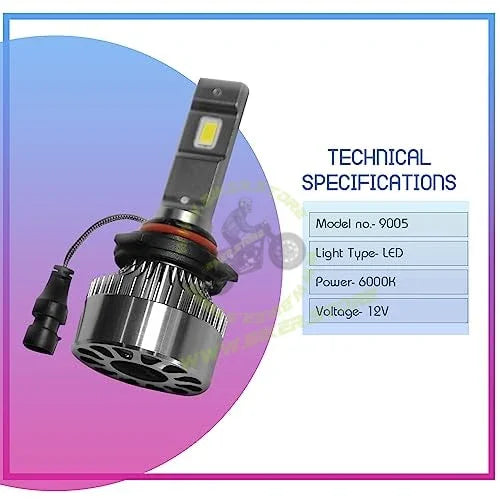
The 9005 (also designated as HB3) socket is a single-filament bulb utilized almost exclusively for dedicated high-beam reflectors in the Indian automotive market. This standard is heavily prominent in Japanese utility vehicles and sedans, including the Toyota Fortuner, Innova Crysta, Honda City, and Honda Civic. The engineering objective of a high-beam reflector is long-distance throw (measured in Lux), not merely foreground brightness (measured in Lumens).
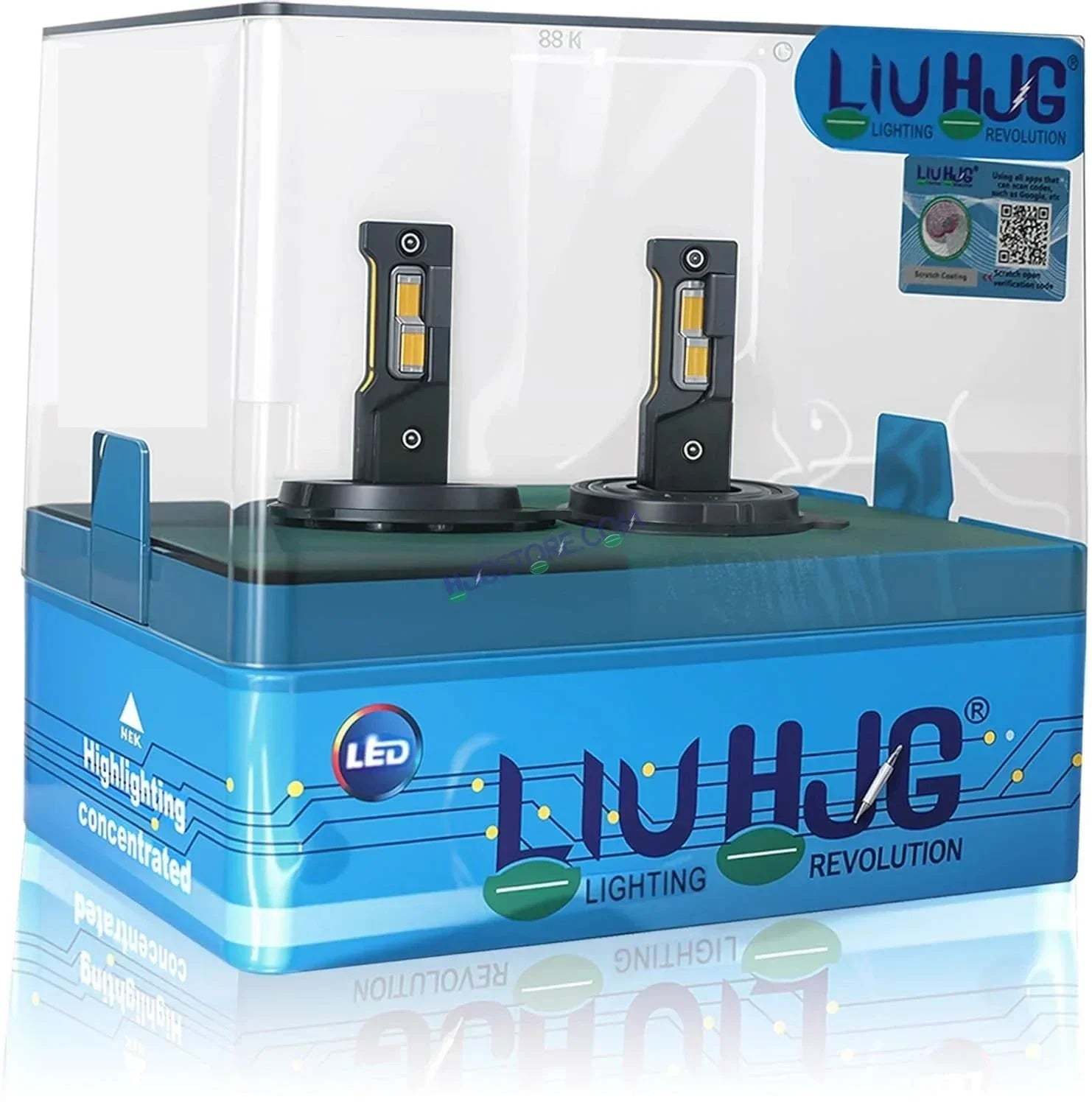
The critical failure of standard aftermarket 9005 LEDs is optical misalignment. Installing a high-lumen, poorly focused LED creates a massive, blinding wall of foreground light directly in front of the vehicle but provides zero distance penetration. This induces pupil constriction in the driver, creating a false sense of security while severely limiting reaction time at highway speeds. BIKER.STORE exclusively catalogs 9005 / HB3 LEDs engineered with strict photometric compliance to ensure actual long-distance visibility.
Critical Engineering Specifications for 9005 / HB3 Upgrades:
-
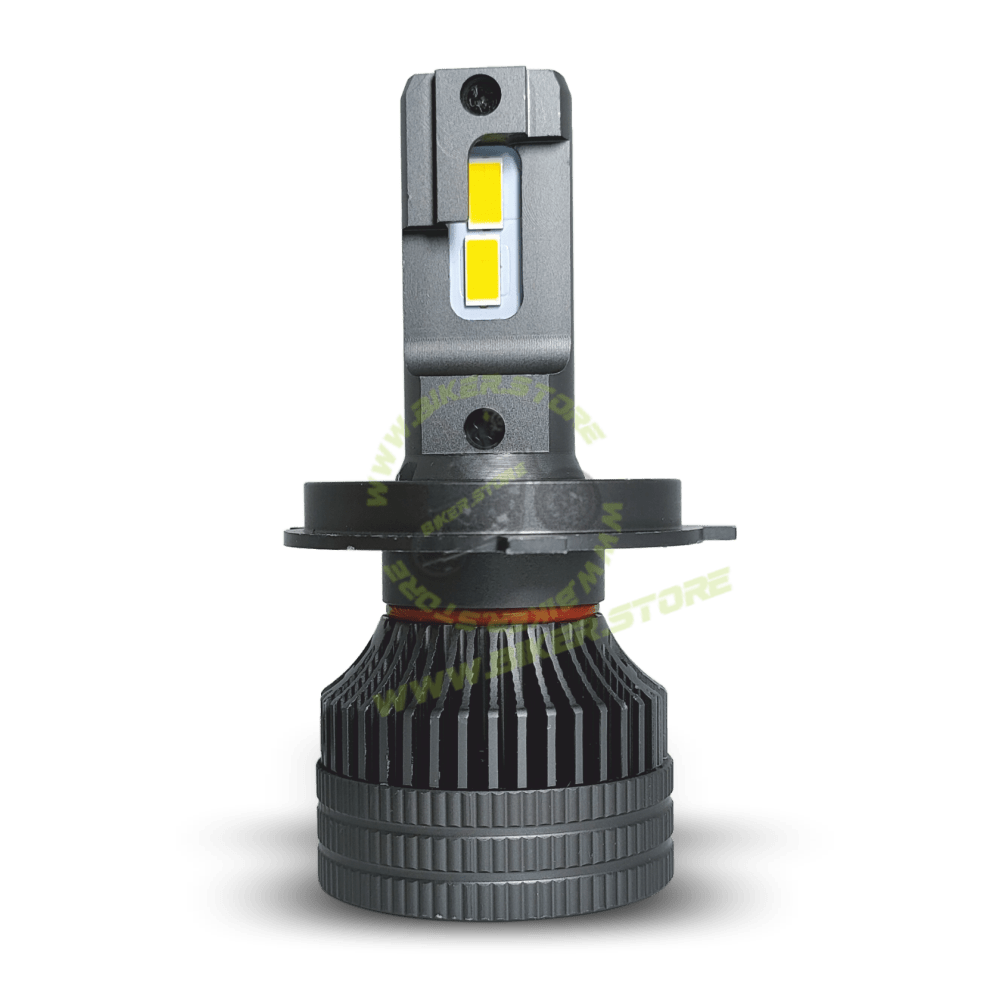
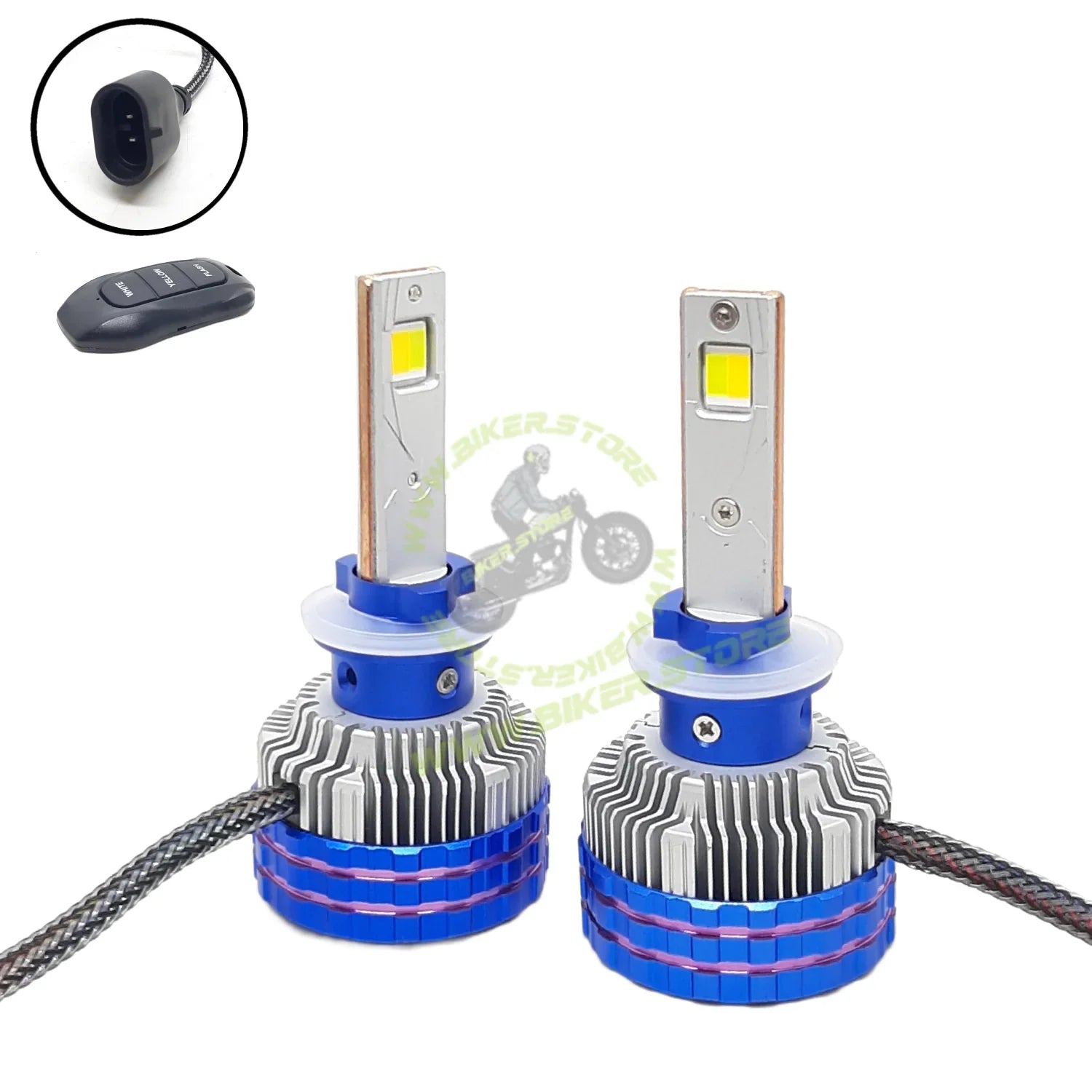
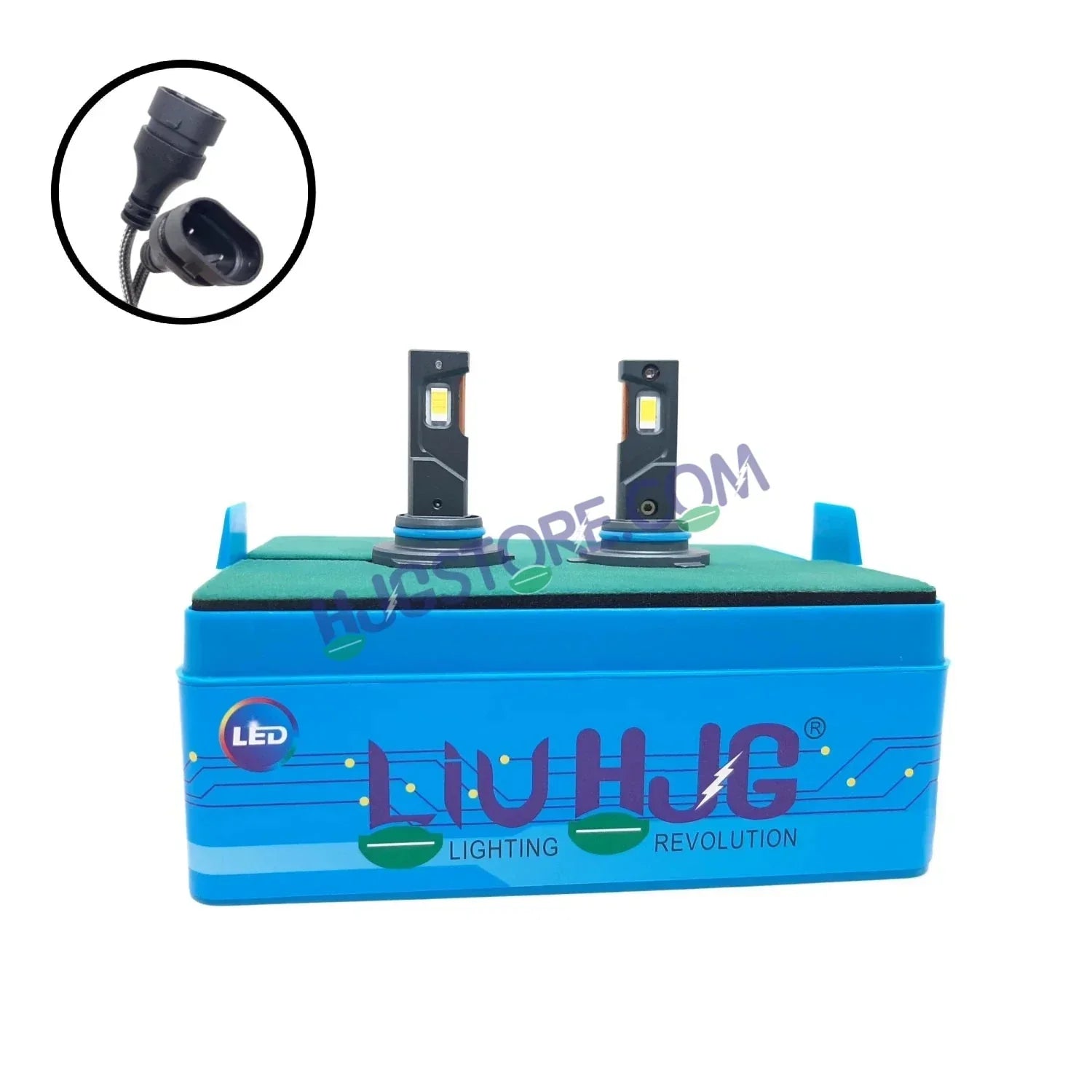
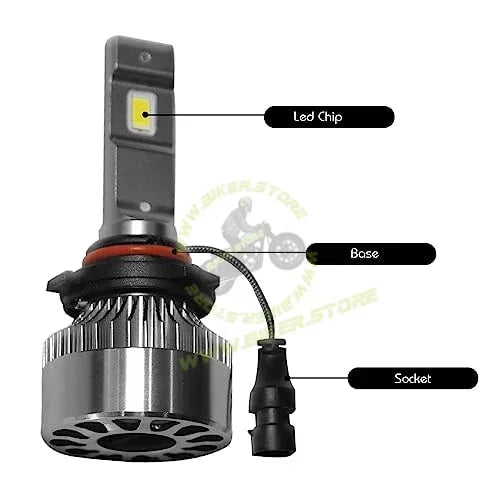
Optical Focal Point & Collimation: A high-beam reflector bowl is a mathematically precise parabolic mirror designed around a microscopic tungsten filament. If an LED diode is even 1 millimeter out of alignment, or if the central copper substrate is too thick, the reflector cannot collimate the light. The resulting beam will scatter into the sky and trees. Our 9005 inventory mandates a strict 1:1 filament replication to ensure the light is focused tightly down the center of the road.
-
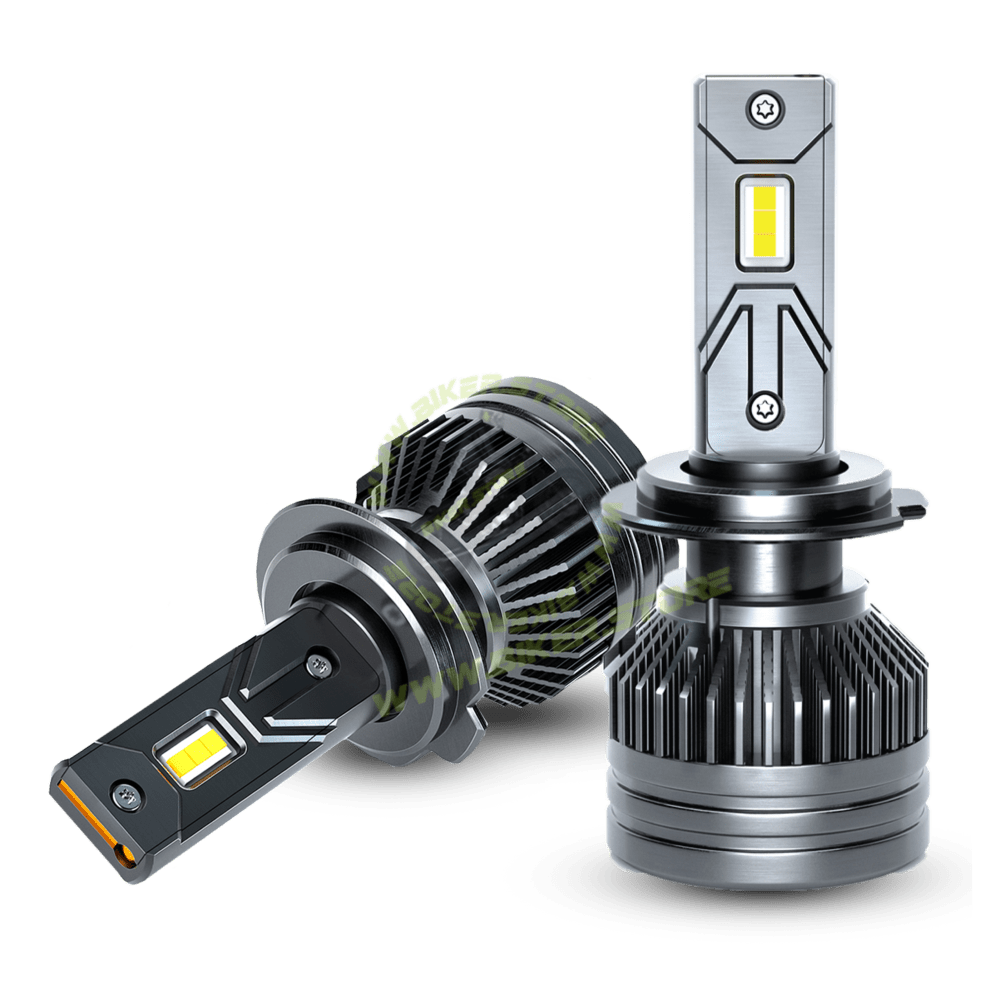
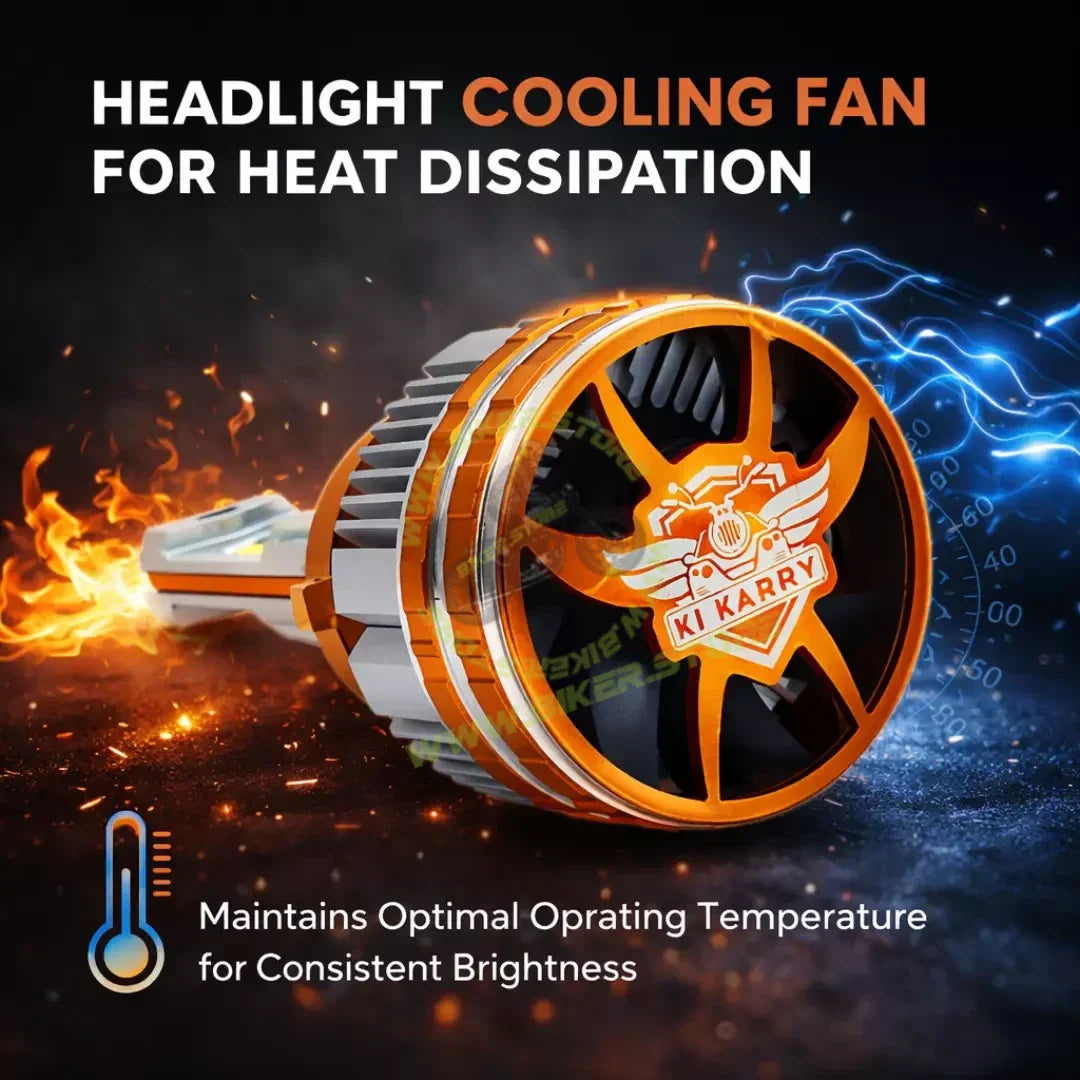
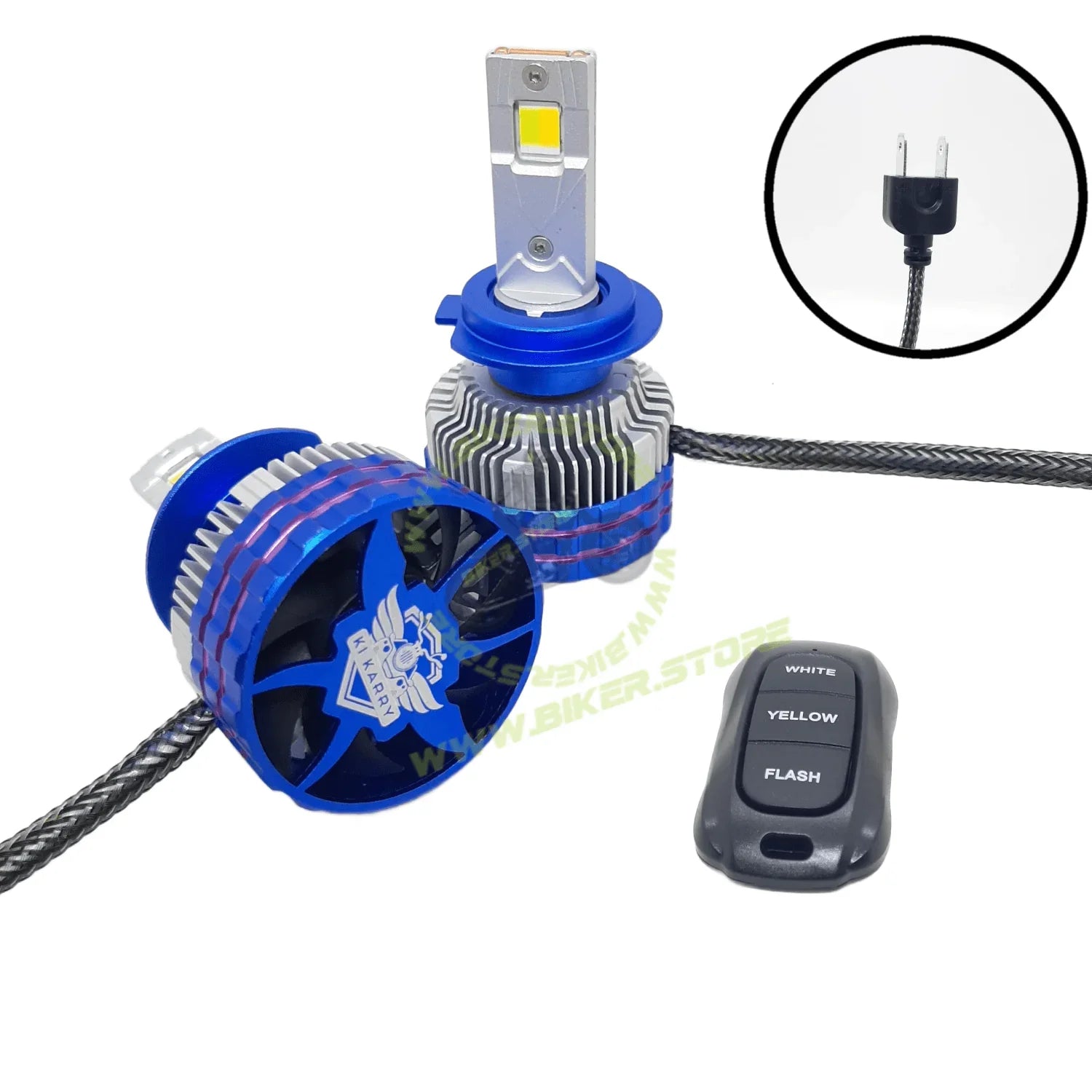
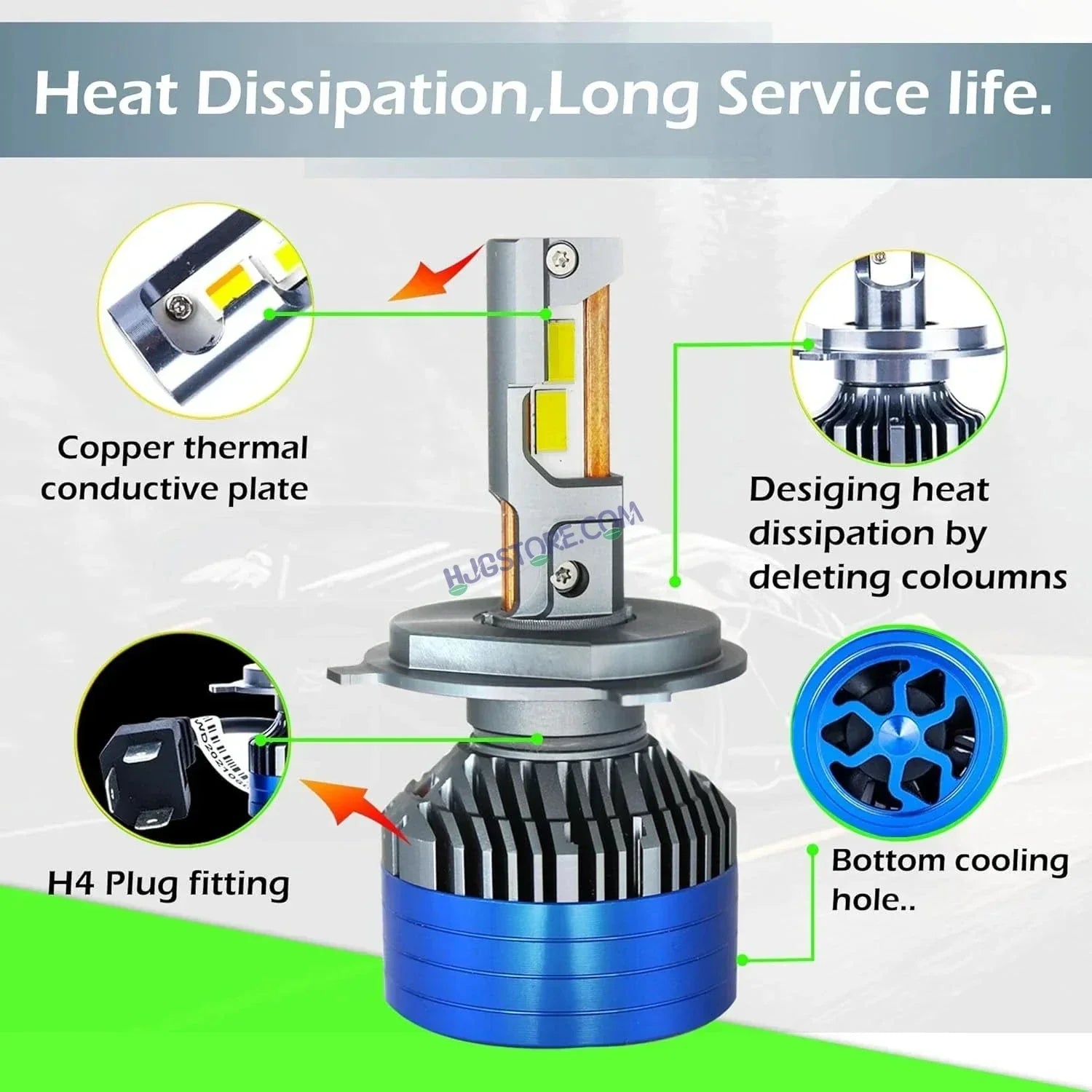
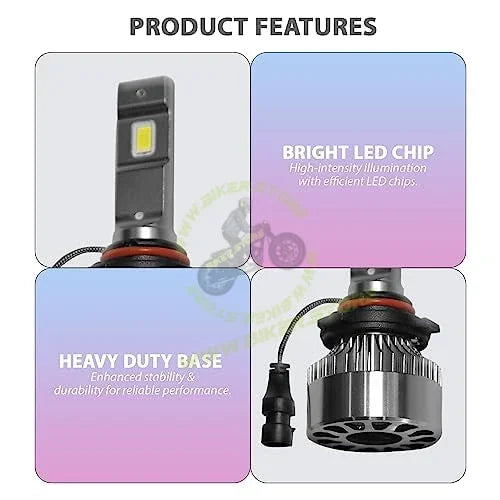
Thermal Derating During Sustained Operation: High beams are frequently engaged for prolonged durations on unlit Indian highways. Inferior LEDs utilize cheap driver units that suffer from severe thermal derating—they start bright but throttle their power output by up to 50% within 10 minutes to prevent melting. We catalog high-output 9005 units featuring aviation-grade aluminum heat sinks and 12,000 RPM double-ball bearing fans for sustained, uncompromising thermal stability.
-
DRL Voltage Integration: In several vehicle models, the factory 9005 halogen bulb serves a dual purpose: it operates at 12V for the high beam and drops to a lower voltage (typically 6V-9V) to function as the Daytime Running Light (DRL). A standard LED will violently flicker or fail to ignite at this lower voltage. For these specific vehicles, selecting a 9005 LED equipped with a wide-voltage driver or integrating a dedicated DRL Canbus decoder is a strict technical requirement.
Technical Frequently Asked Questions (FAQ)
Q: Are 9005 and HB3 the exact same bulb? A: Yes. "9005" is the ANSI (American National Standards Institute) designation, while "HB3" is the ECE (Economic Commission for Europe) designation. They are physically, geometrically, and electrically identical. A 9005 LED will fit perfectly into an HB3 socket, and vice versa.
Q: Why does my new 9005 LED scatter light everywhere instead of throwing it down the road? A: You purchased a bulb with poor optical geometry. If the LED chips are thicker, wider, or positioned differently than the original halogen filament, the vehicle's reflector bowl cannot focus the beam. The light scatters, rendering the high beam useless for highway driving. Upgrading to an LED with an ultra-thin substrate and 1:1 focal alignment is the only solution.
Q: My 9005 bulb acts as both my high beam and my DRL. Will an LED work? A: Standard LEDs require a stable 12V input. If your vehicle utilizes Pulse Width Modulation (PWM) to drop the voltage for the DRL function, a standard LED will flicker or shut off. You must install a 9005 LED specifically engineered with a wide-operating voltage range or wire a CANbus DRL decoder in-line to stabilize the power delivery.
Q: Are 9005 (HB3) and 9006 (HB4) interchangeable? A: No. While they look nearly identical and share a 90-degree angled base, the internal mounting tabs and the diameter of the rubber O-ring are different. A 9005 bulb has a larger diameter base than a 9006. Forcing the wrong bulb into the housing will damage the reflector retaining tabs and compromise the weather seal.
Q: Do I need to modify my dust cap to fit a high-power 9005 LED? A: The 9005 socket utilizes a 90-degree angled connector. Depending on the internal clearance of the vehicle's headlight assembly (e.g., tight tolerances in Honda sedans), a high-output bulb with an oversized active cooling fan may contact the rear dust cover. You must measure the clearance behind your factory bulb before purchasing, or select a compact, 1:1 design to ensure the factory seal is maintained.