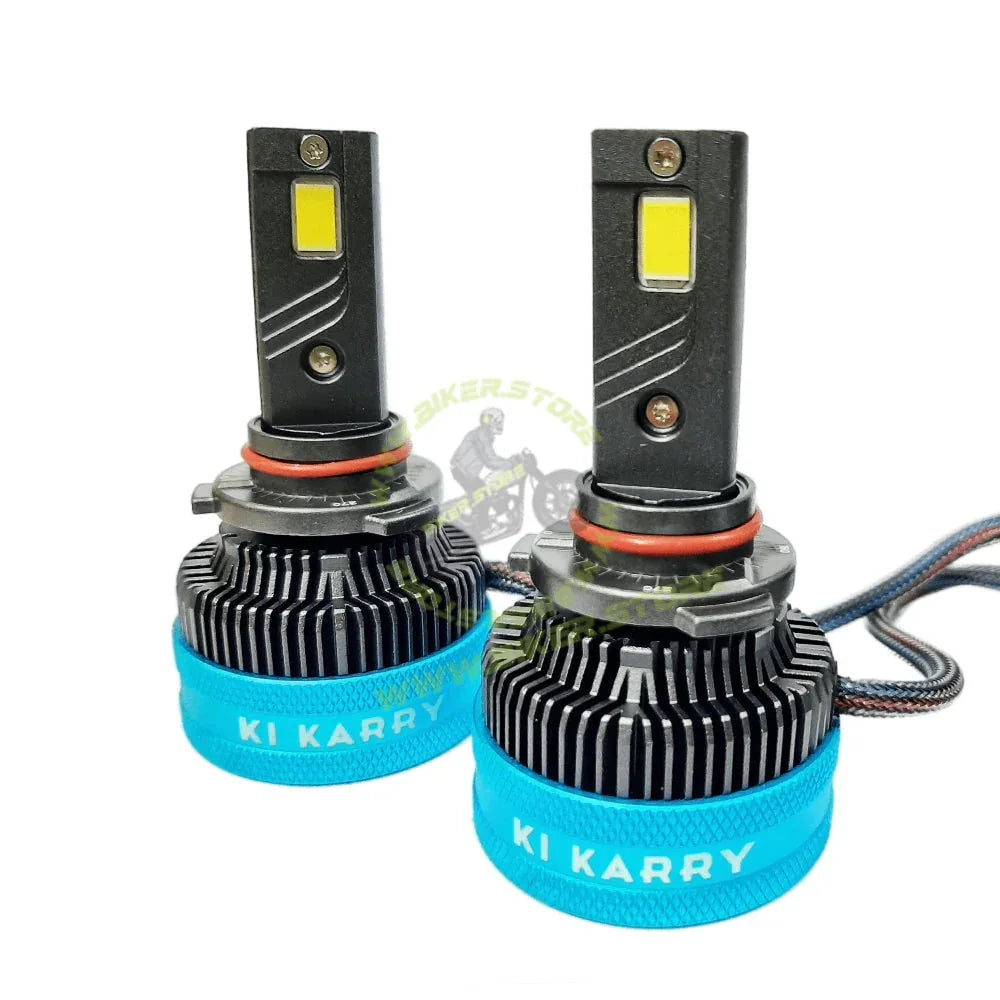
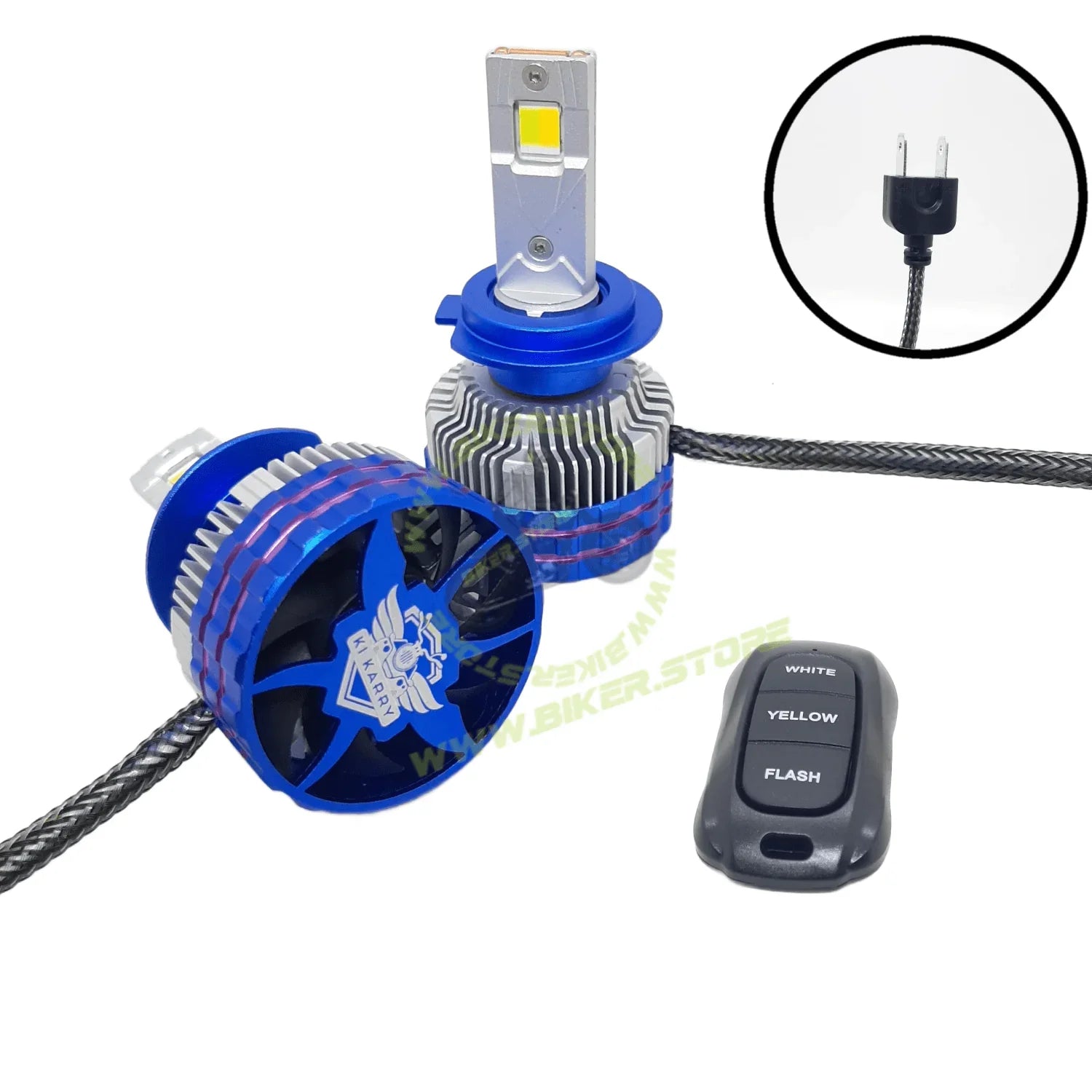
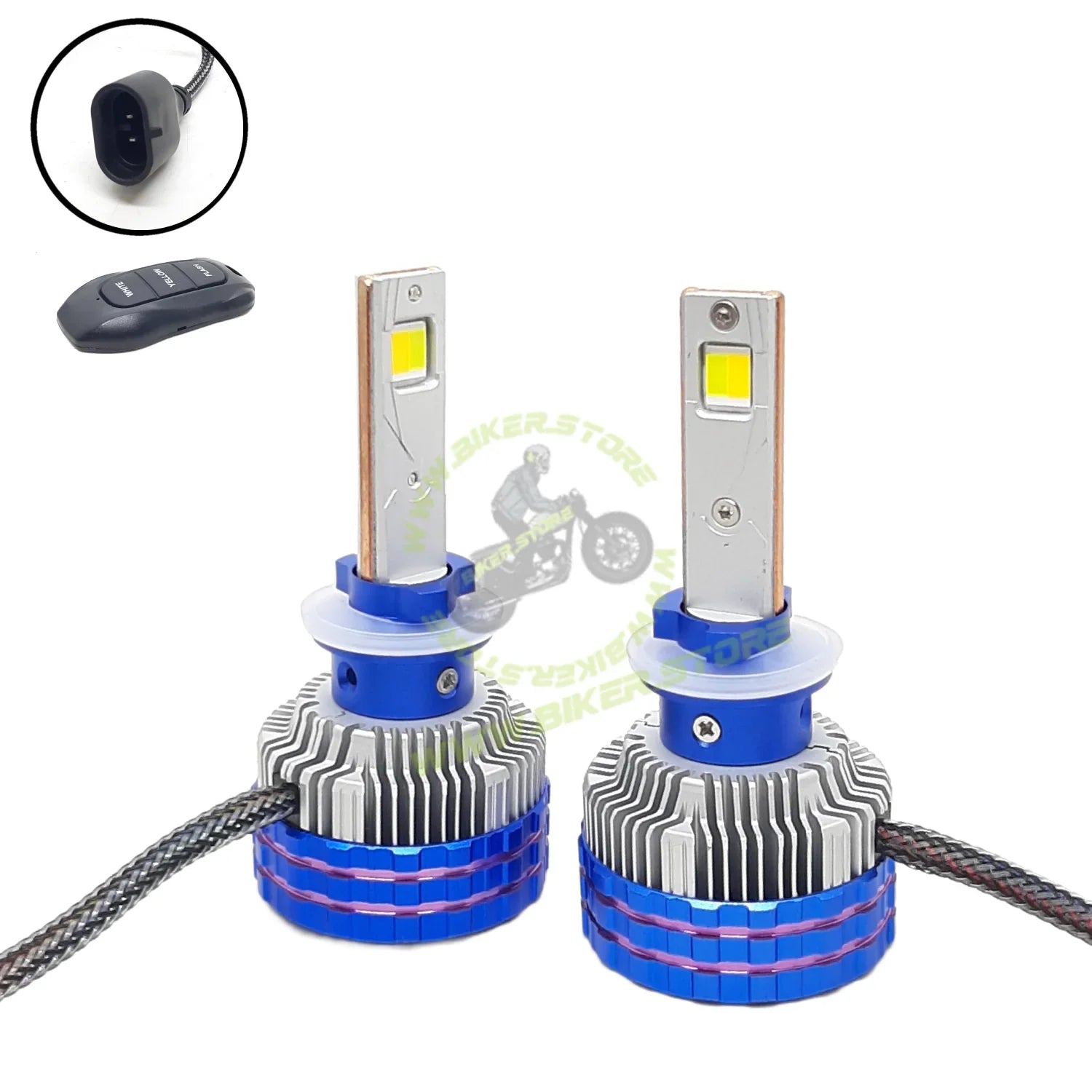
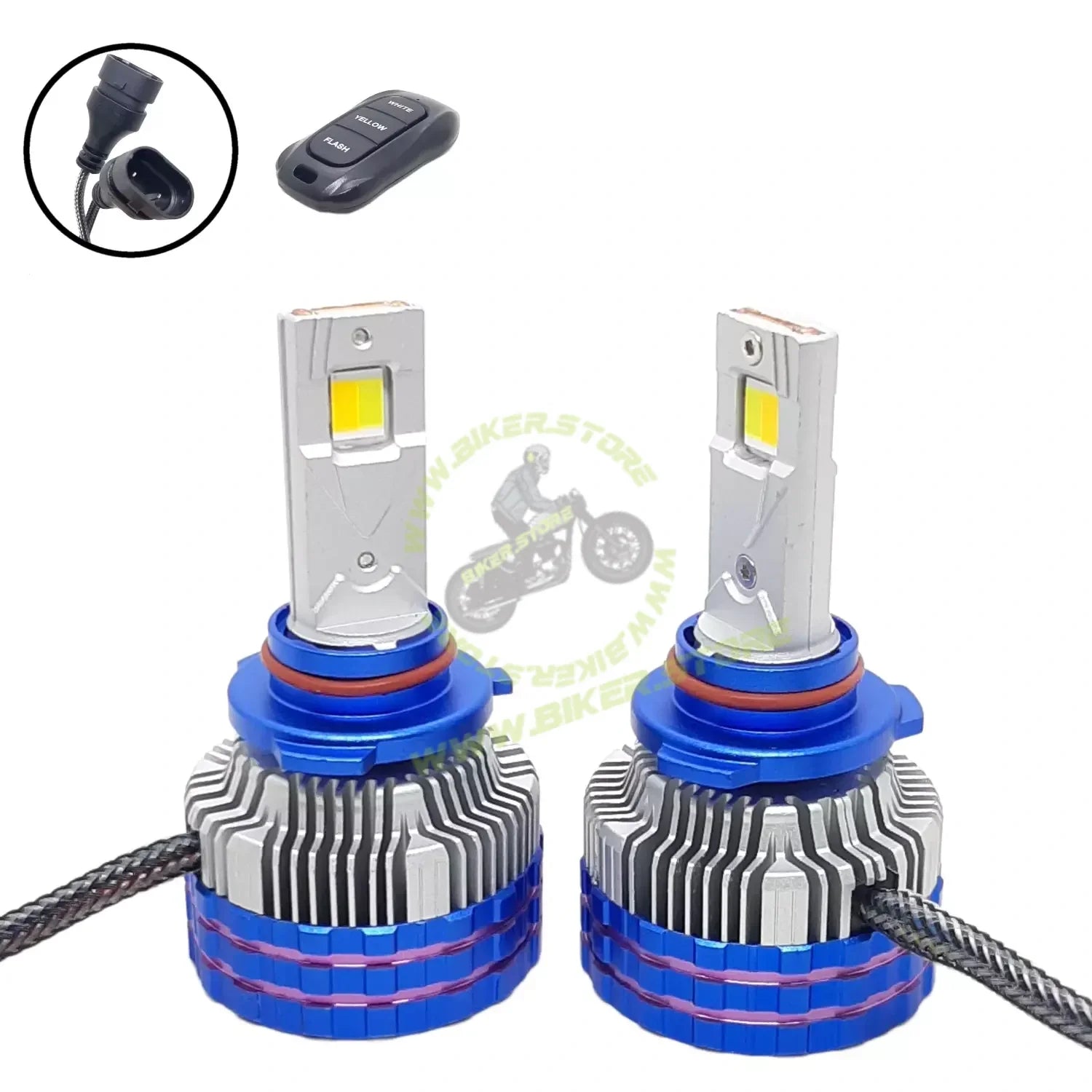
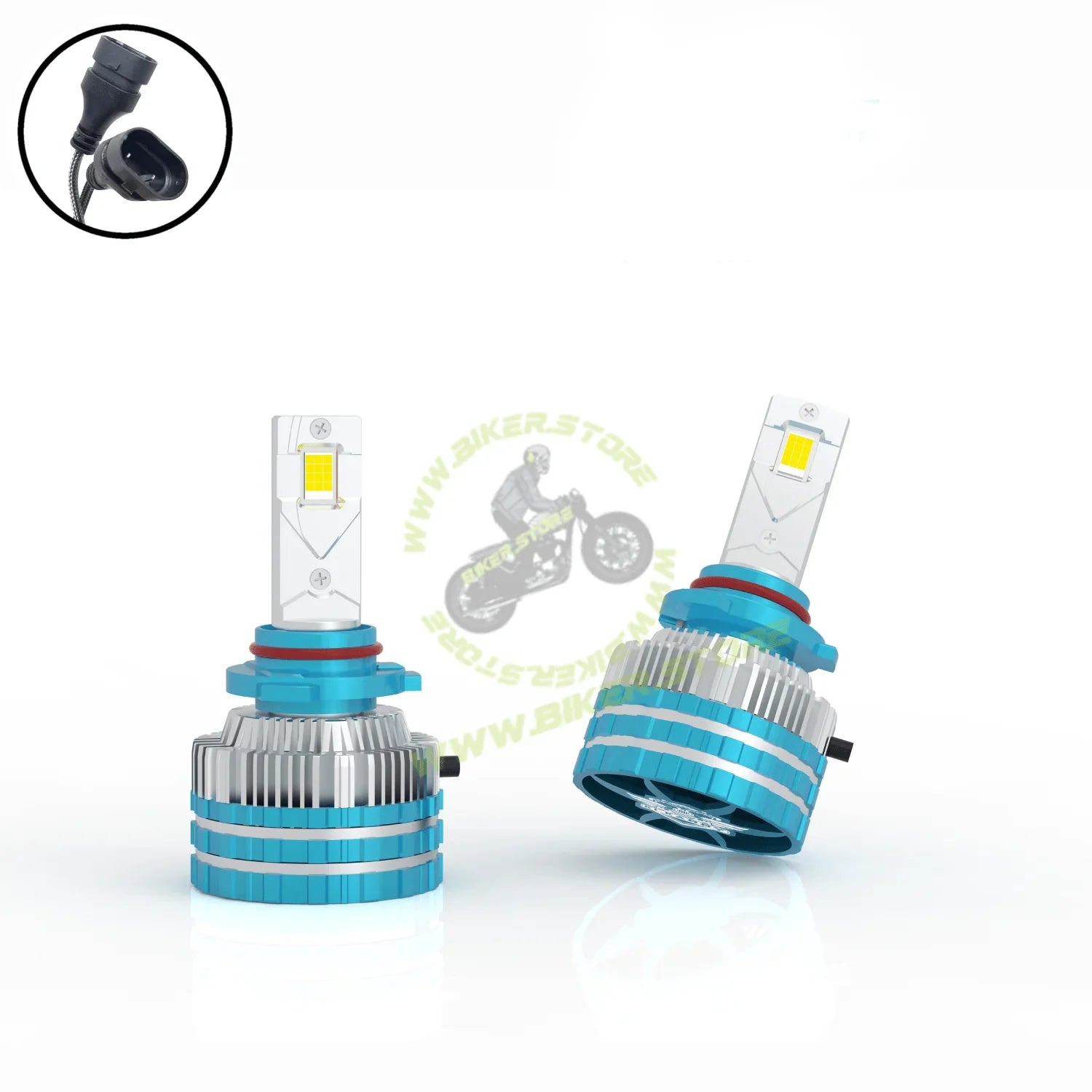
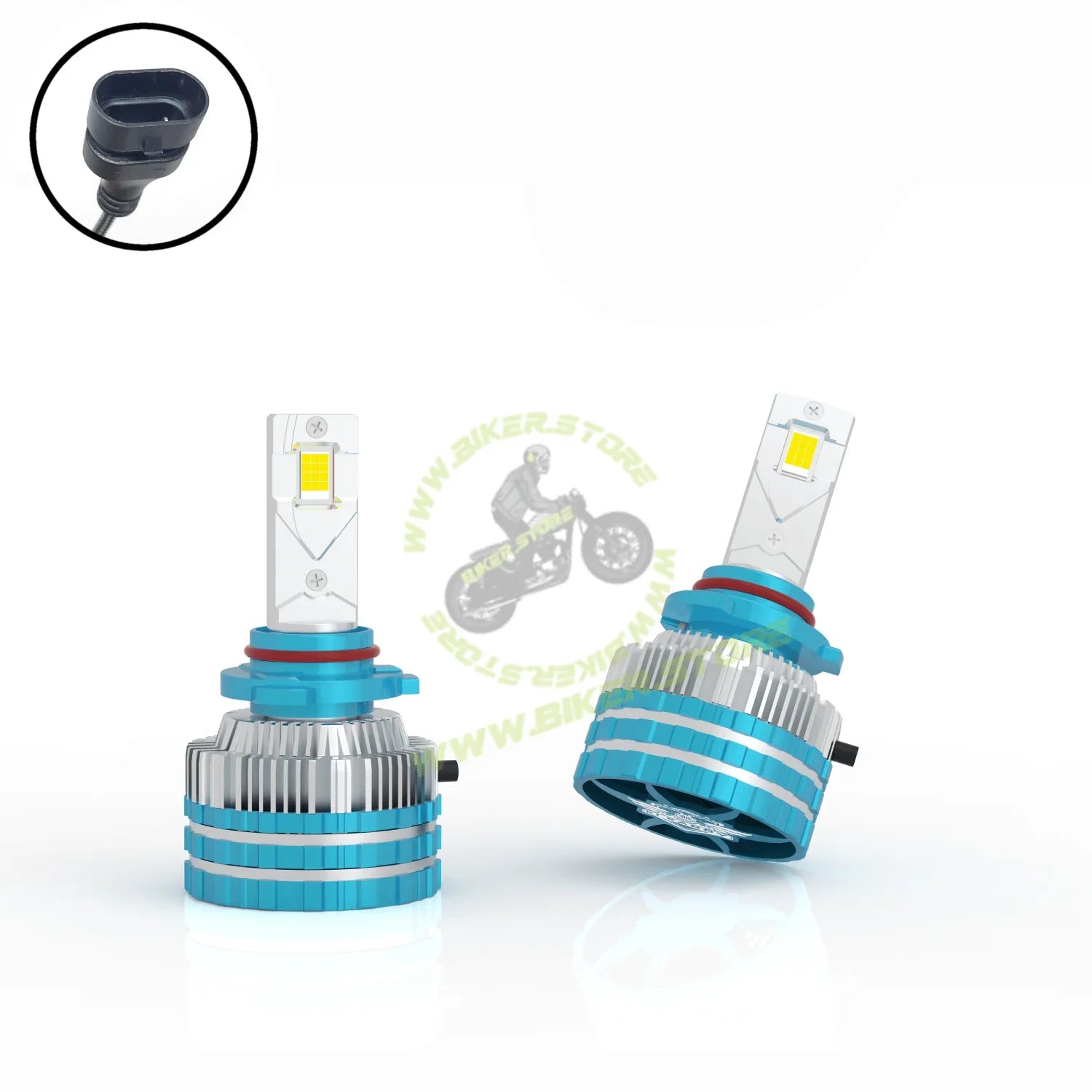
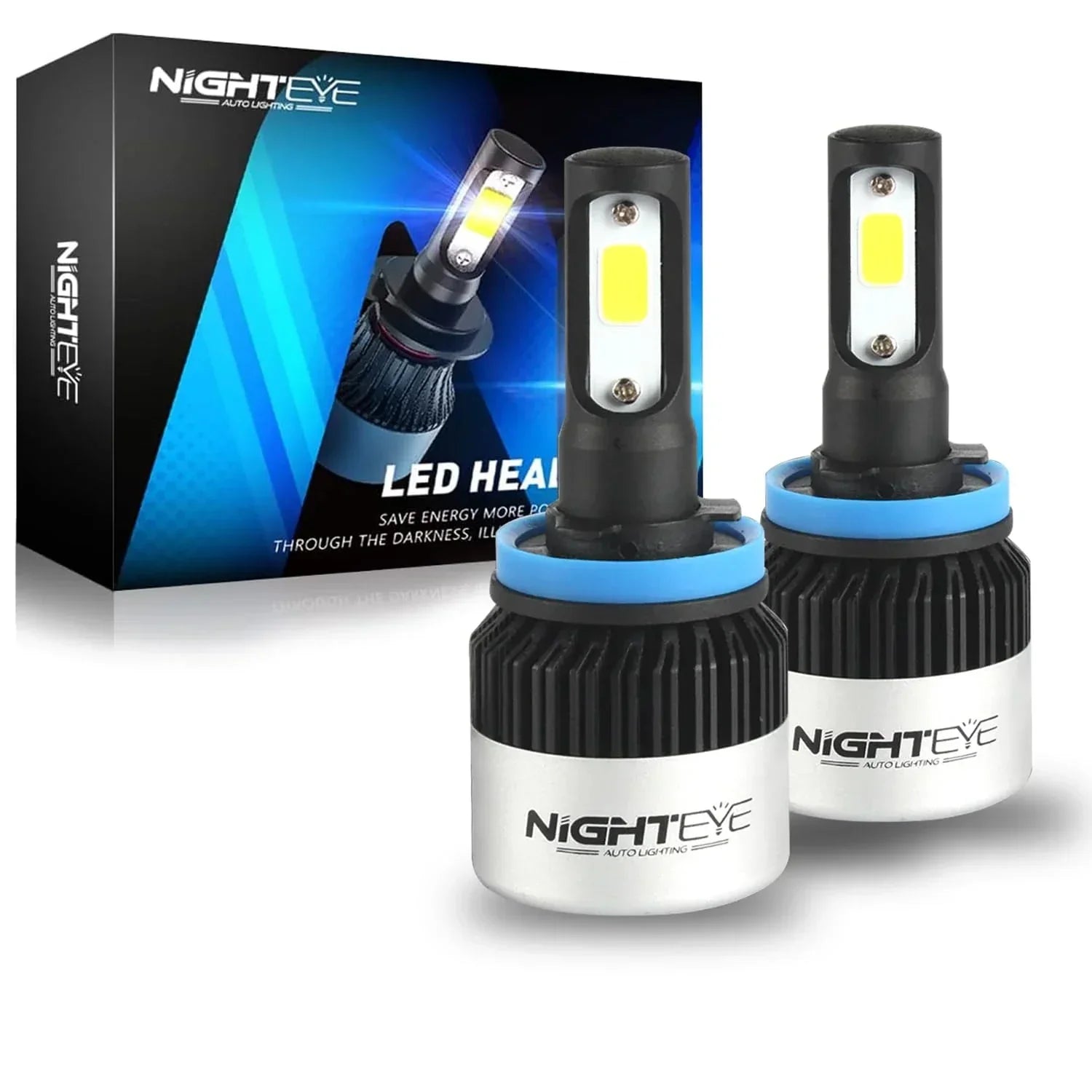
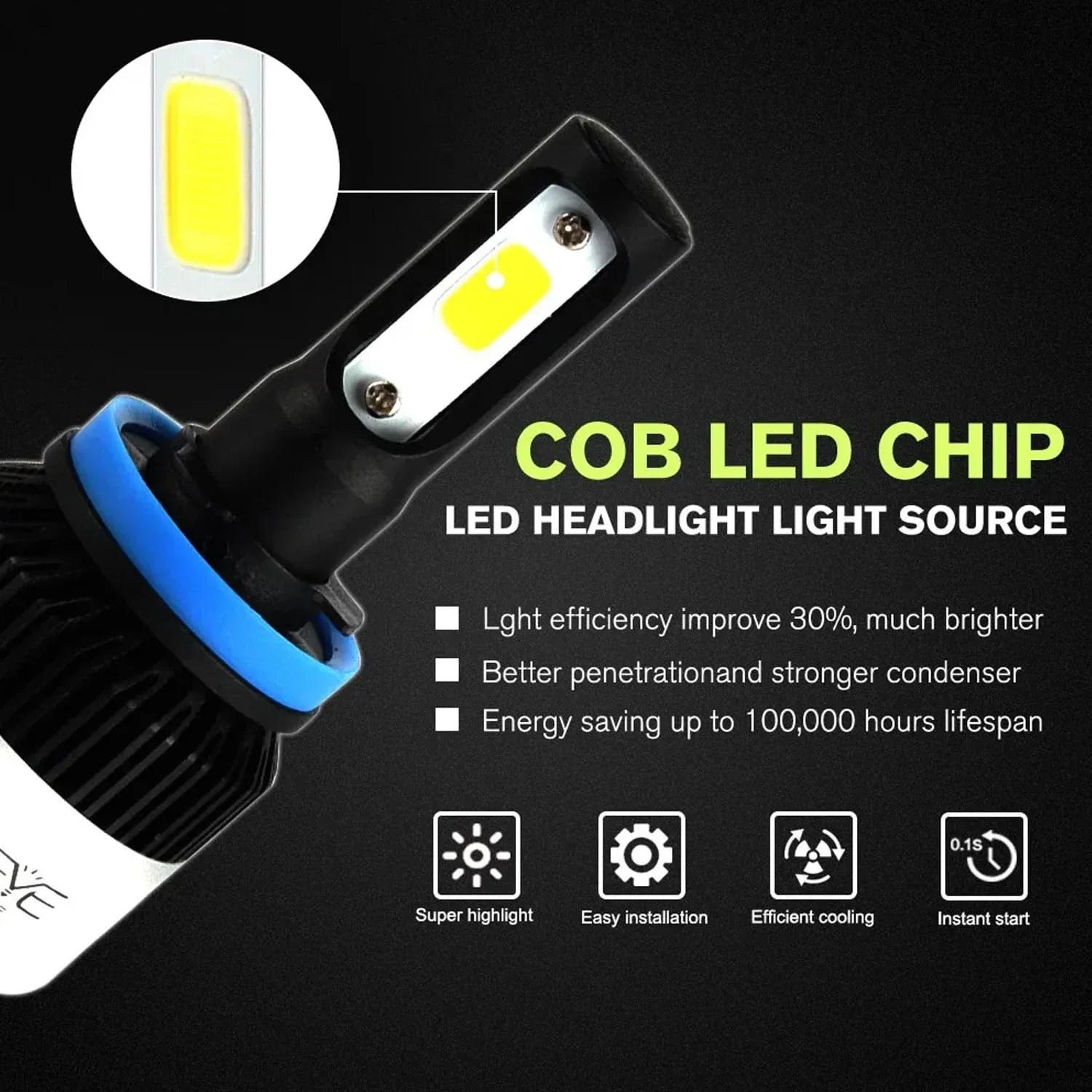
9006 / HB4 LED Upgrades: Precision Low-Beam and Fog Illumination | www.biker.store
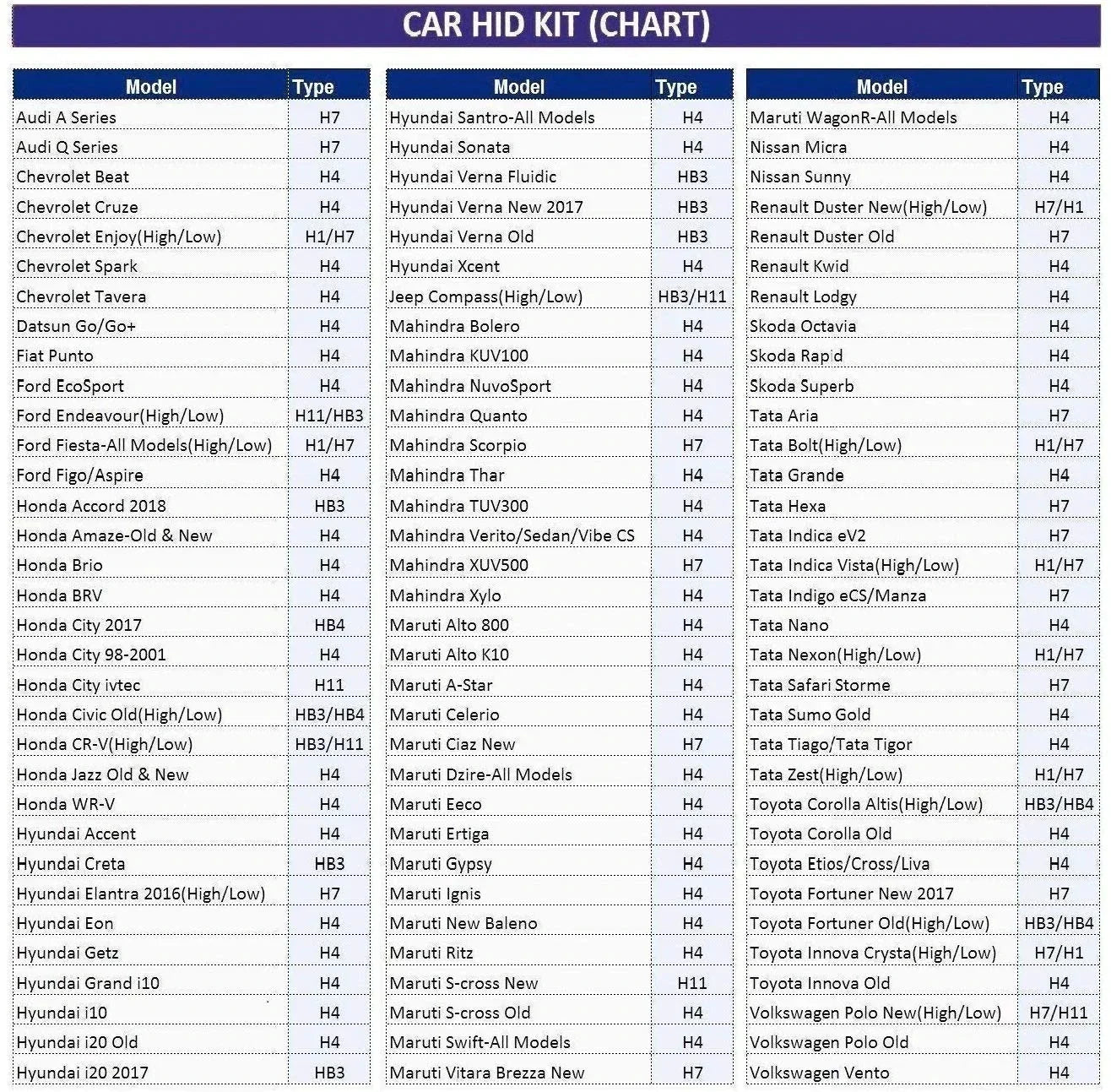
The 9006 (internationally designated as HB4) socket is an automotive standard specifically engineered for low-beam headlights and dedicated fog light housings. Common in a massive range of vehicles, including older generations of the Honda Civic, Toyota Corolla, and Hyundai Sonata, the factory 55W halogen 9006 bulb produces a wide, horizontally dispersed beam pattern. Its primary function is to illuminate the immediate road surface and lateral shoulders without blinding oncoming traffic.
The automotive aftermarket suffers from a dangerous lack of technical understanding regarding the 9006 socket. Consumers frequently purchase overpowering, multi-directional LEDs, completely destroying the precise beam geometry intended for low-beam applications. A poorly designed 9006 LED will cast severe glare above the horizontal axis, blinding oncoming drivers while creating heavy dark patches directly in front of your vehicle. BIKER.STORE rejects these generic light-scatterers. We exclusively stock 9006/HB4 LED kits that rigorously adhere to optical standards, ensuring a sharp, safe low-beam cut-off line.
Critical Engineering Specifications for 9006 / HB4 Upgrades:
-
Optical Geometry and The P22d Base: The 9006 bulb utilizes a P22d right-angled base. The internal LED diodes must align perfectly with the original halogen filament's position to interface correctly with the vehicle's reflector bowl or projector lens. If the central copper substrate of the LED is too thick, the light output will split, causing a noticeable dark void in the center of the road. Our inventory utilizes ultra-thin substrates and strictly controlled focal points to guarantee uninterrupted, uniform light distribution.
-
Low-Beam Cut-Off Adherence: Unlike high-beam applications where scattered light is less detrimental, a low-beam 9006 LED must maintain a strict horizontal cut-off. High-quality 9006 LEDs achieve this by matching the microscopic dimensions of the factory tungsten filament, ensuring the reflector's internal shielding functions correctly to suppress upward glare.
-
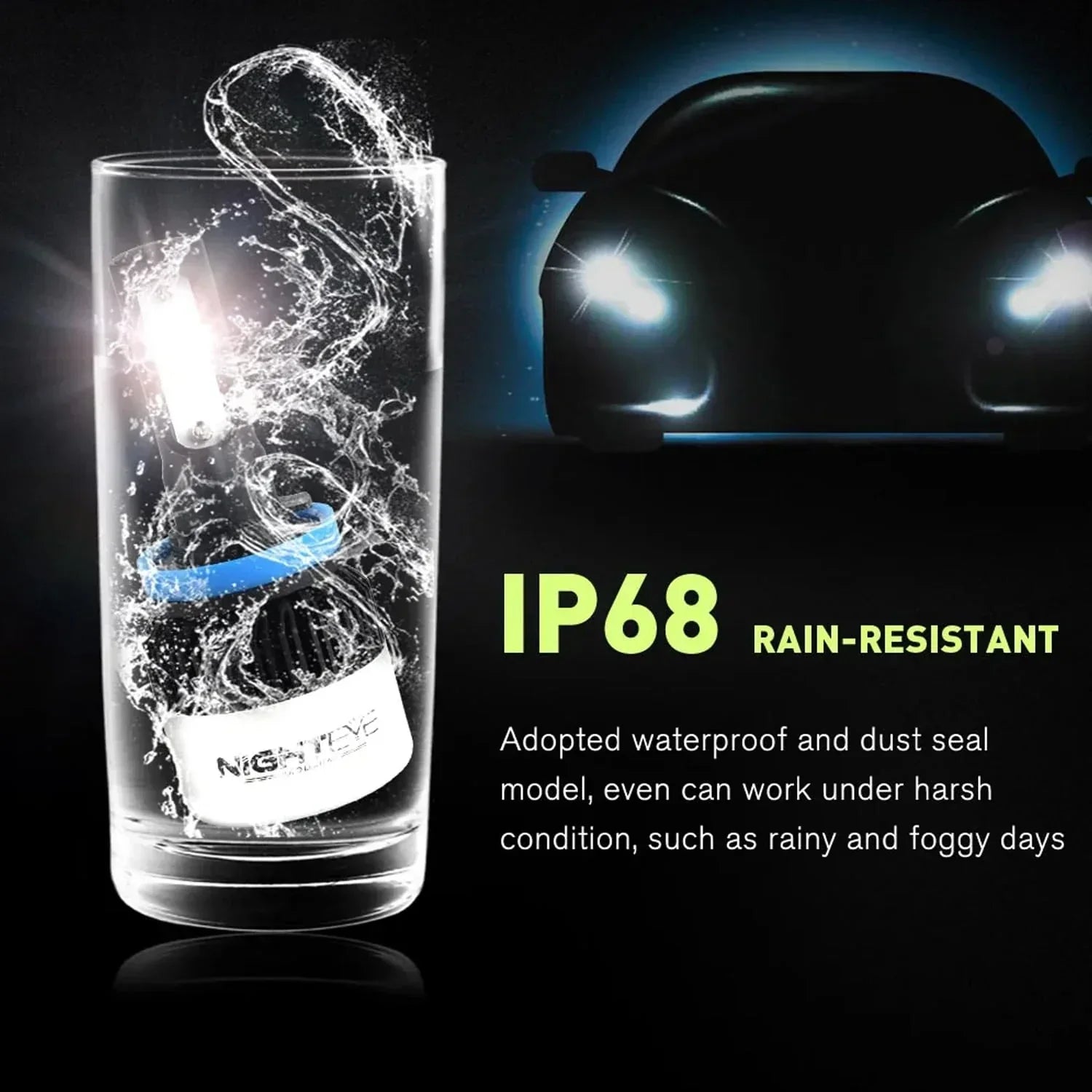
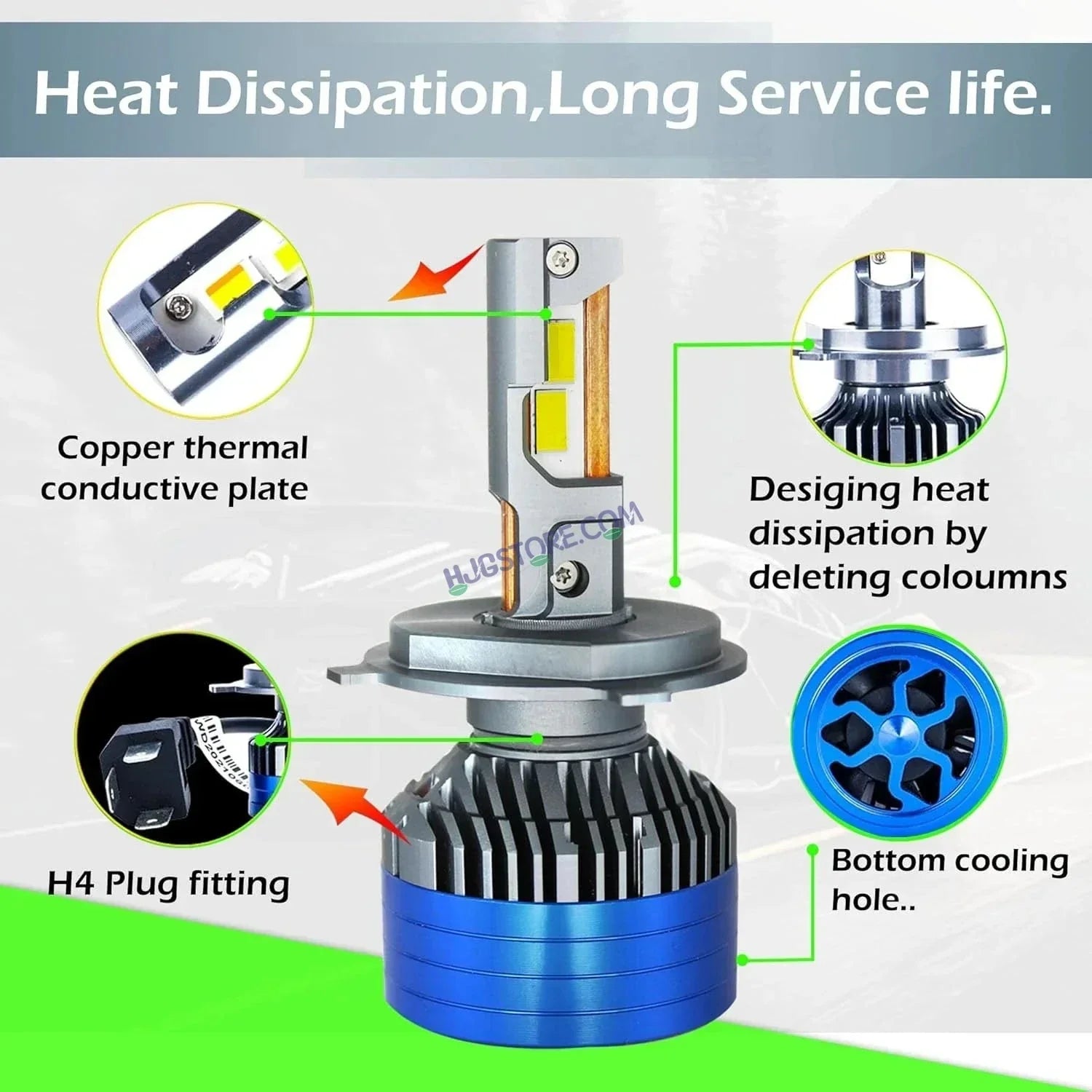
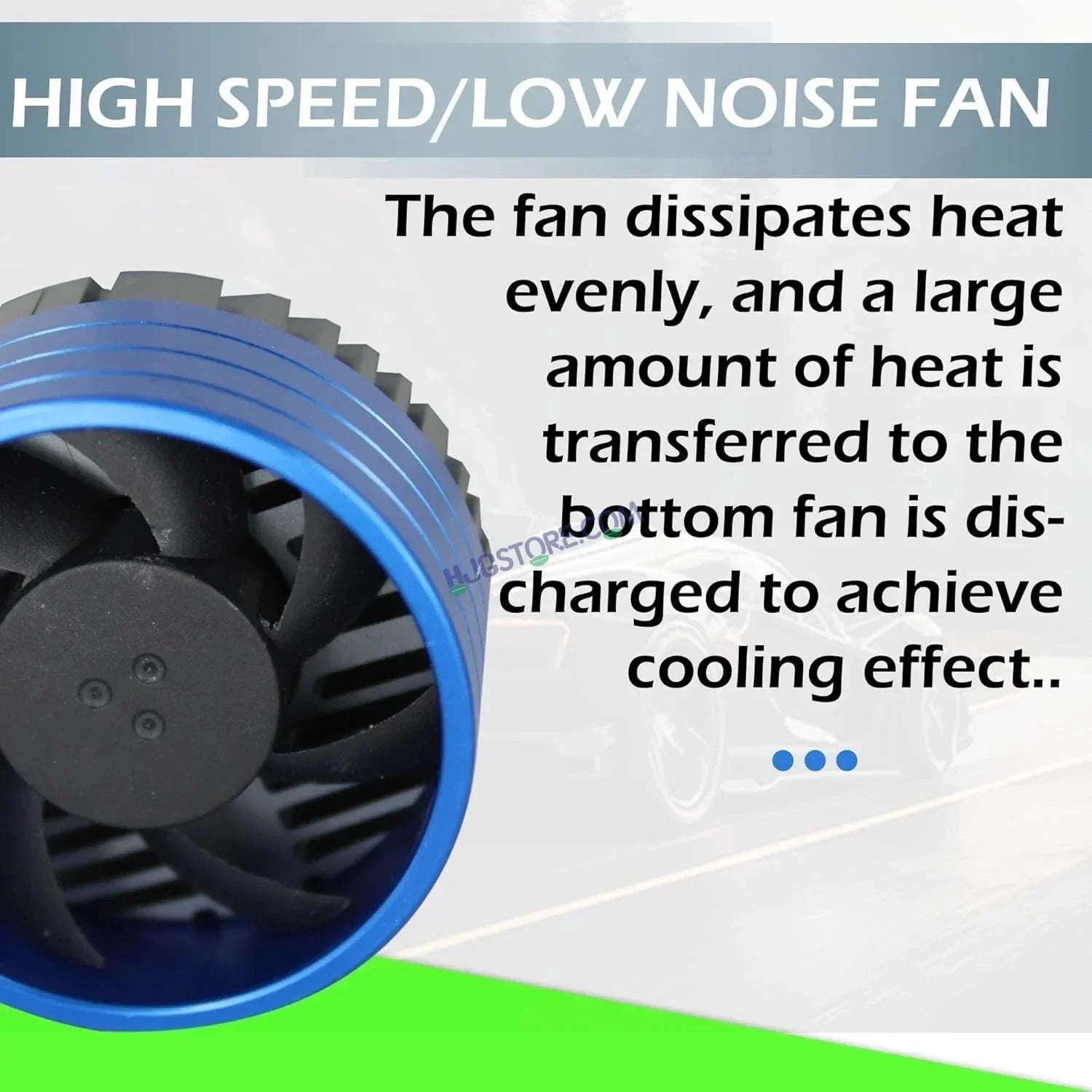
Thermal Constraints in Fog Housings: When utilized in lower bumper fog light housings, the 9006 LED is subjected to heavy moisture, road debris, and restricted airflow. Aggressively over-driven LEDs will rapidly overheat and fail in these environments. For fog applications, we categorize thermally stable units, offering both IP68-rated active cooling (fans) for maximum output and passively cooled (fanless) aviation aluminum heat-sink models for extreme off-road durability.
Technical Frequently Asked Questions (FAQ)
Q: What is the difference between 9005 (HB3) and 9006 (HB4) bulbs? A: They are completely different in function and fitment, despite looking nearly identical. The 9005 (65W) is a high-beam bulb designed for distance. The 9006 (55W) is a low-beam/fog bulb designed for width. Physically, the internal locking tabs inside the connector socket are reversed. A 9006 bulb turns clockwise to lock, while a 9005 turns counterclockwise. You cannot install a 9006 into a 9005 socket without risking damage to the housing.
Q: Can I force a 9005 LED into my 9006 socket to get more brightness? A: No. Attempting to force a 9005 bulb into a 9006 housing will crush the plastic retaining tabs and compromise the headlight's weather seal, leading to severe condensation damage. Furthermore, standard high-quality LED chips will maximize the safe output for a low-beam housing regardless of the socket base. Purchasing a premium 9006 LED will provide massive brightness gains safely and correctly.
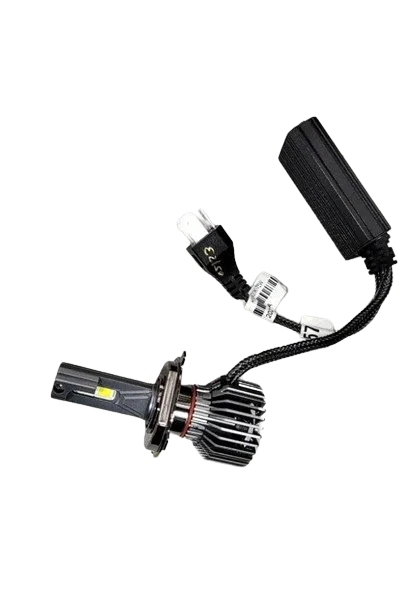
Q: Why do some 9006 LEDs come with attached wire pigtails while others are integrated? A: The 9006 features a 90-degree right-angle connector. Some high-output LED models integrate the driver unit directly into the base, making it a rigid, bulky unit. If your vehicle has tight clearance behind the headlight assembly, this rigid base will hit the frame or prevent dust cap installation. For tight spaces, you must select a 9006 LED that utilizes an external driver connected by a flexible wire pigtail.
Q: Will upgrading my 9006 fog lights to 6000K white LED improve visibility in the rain? A: No. The laws of physics dictate that 6000K (cool white) light heavily refracts off airborne water droplets, creating a blinding wall of glare. If your primary objective is traversing heavy rain or dense fog, you must select a 3000K (Golden Yellow) 9006 LED or a dual-color switching unit. Yellow wavelengths penetrate moisture with significantly less reflection.
Q: Will an LED conversion trigger dashboard errors? A: Because LEDs draw significantly less amperage than the factory 55W halogen, sensitive electrical systems in certain vehicles may misinterpret the lower draw as a "dead bulb," triggering a dashboard error or rapid flickering. If your vehicle features an advanced CANbus system, you must select a 9006 LED marked explicitly as "CANbus-Ready" or install an inline load resistor decoder.