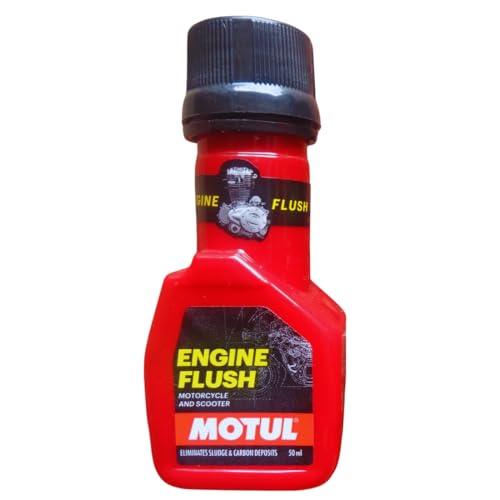
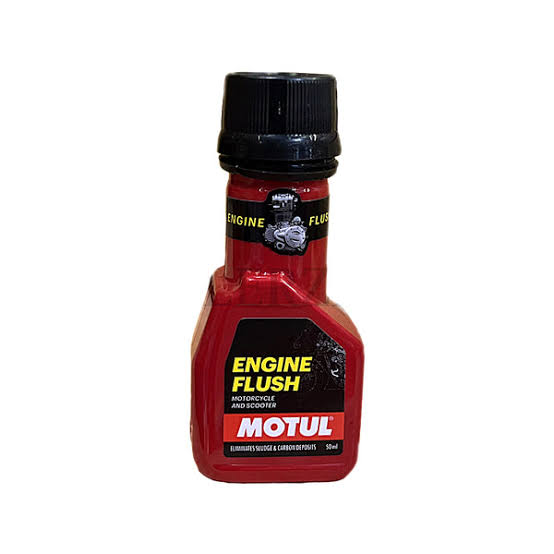
Revitalize Your Core: Professional Engine Flush Solutions | www.biker.store
Over time, even the best oils leave behind carbon deposits, sludge, and varnish that can clog oil galleries and reduce your engine's efficiency. Our professional-grade engine flush collection is designed to deep-clean your engine’s internal components in just minutes. By dissolving stubborn deposits and suspended particles, these formulas ensure that your fresh oil can lubricate the engine at 100% efficiency.
Why Use an Engine Flush?
-
Restores Compression: Cleans sticky piston rings, allowing them to seal better against cylinder walls for improved power.
-
Optimizes Oil Flow: Clears restricted oil passages, ensuring critical components like turbochargers and camshafts receive immediate lubrication.
-
Extends Engine Life: Removing abrasive contaminants prevents premature wear on bearings and valvetrains.
-
Quietens Engine Noise: Reduces "tappet" or lifter noise caused by oil starvation or debris buildup.
-
Safe for Seals: Modern formulations are solvent-free or use gentle detergents that won't damage gaskets, seals, or "wet" timing belts.
Frequently Asked Questions (FAQs)
1. Is an engine flush safe for older high-mileage vehicles?
Yes, but with a caveat. For well-maintained older engines, a flush is highly beneficial. However, in extremely neglected engines where sludge is the only thing "sealing" worn-out gaskets, a flush might reveal existing leaks. For most modern vehicles, it is a standard part of preventative maintenance.
2. How do I use an engine flush?
It's a simple 3-step process:
- Pour the engine flush into the oil filler cap while the old oil is still in the engine.
- Start the engine and let it idle for 10–15 minutes (do not drive the vehicle).
- Drain the old oil immediately while it's warm, replace the oil filter, and fill with fresh lubricant.
3. Can I leave the engine flush in and drive my car/bike?
Absolutely not. Engine flushes are designed to thin the oil to help it reach every corner of the engine. Driving under load with a flush in the system can cause engine damage due to reduced lubrication. Always follow the "idle-only" instructions.
4. How often should I flush my engine?
For the best results, we recommend an engine flush every 20,000 to 30,000 km or every third oil change. If you frequently drive in heavy stop-and-go traffic, an annual flush is recommended to prevent urban sludge buildup.
5. Do I need to change the oil filter after a flush?
Yes. The engine flush will loosen a significant amount of debris and deposit it directly into the oil filter. Running a new oil filter after a flush is mandatory to prevent the dislodged sludge from recirculating into your clean oil.
Engine flush, oil system cleaner, sludge remover, Motul Engine Clean, internal engine degreaser, restore engine compression, carbon deposit remover, oil gallery cleaner, car engine flush, motorcycle engine flush, 4T engine cleaner, valvetrain cleaner, piston ring cleaner, engine maintenance chemicals.