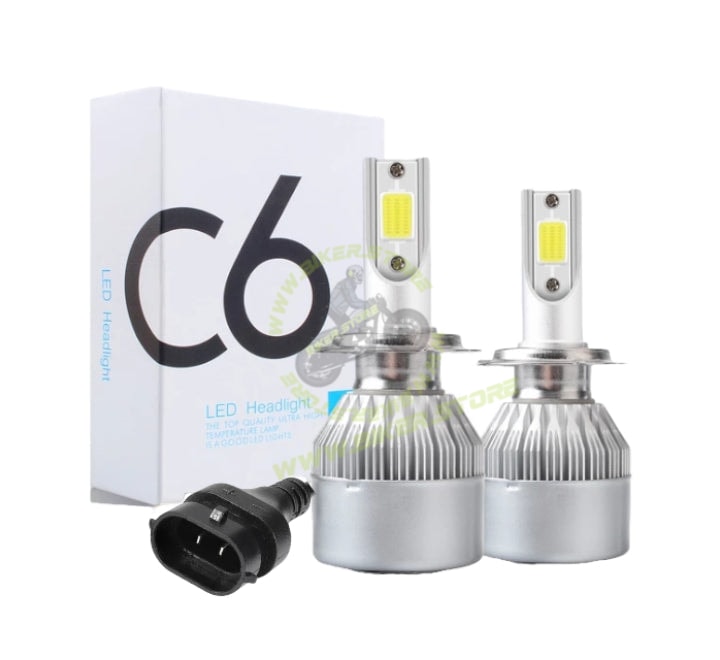
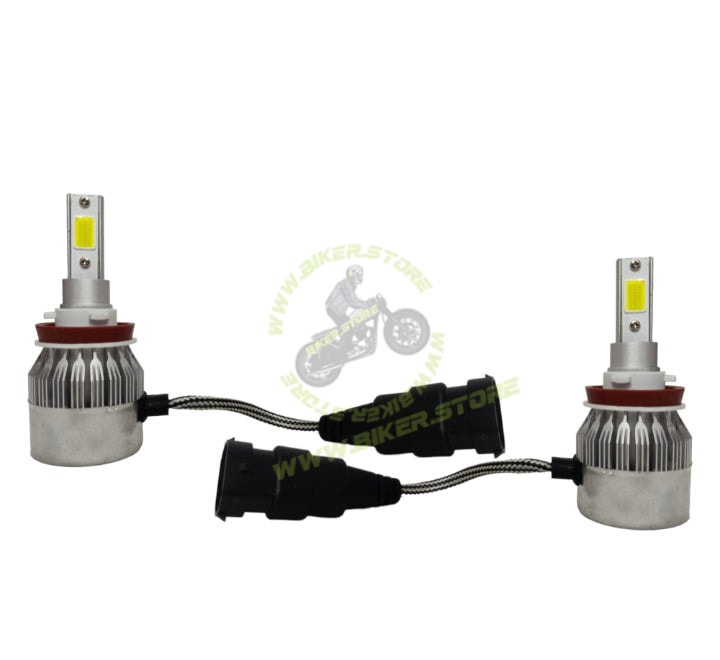
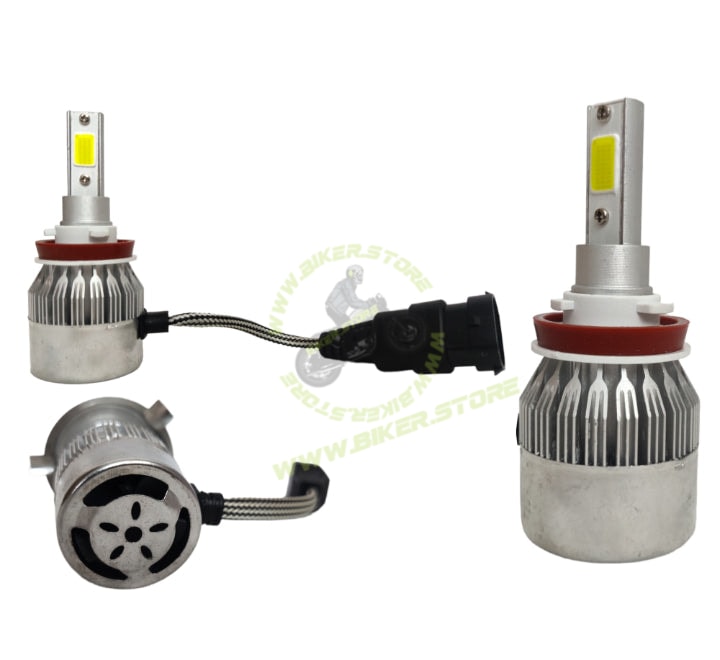
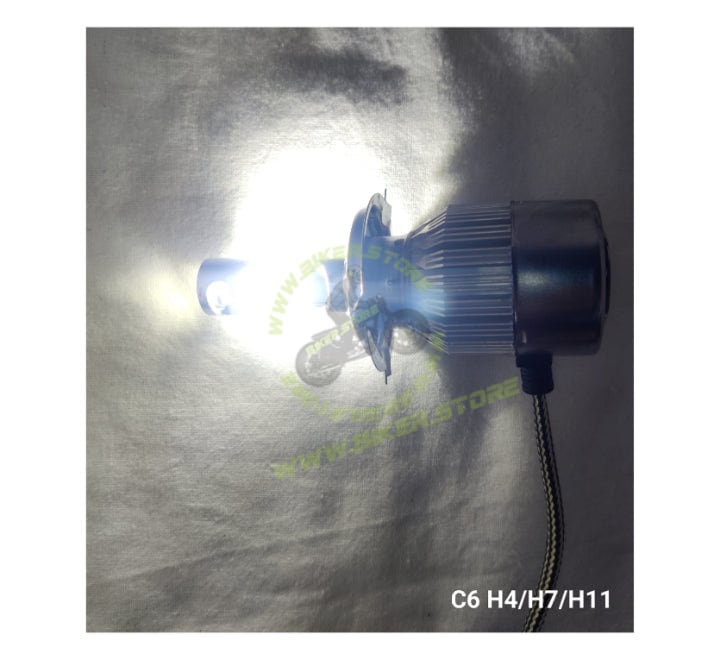
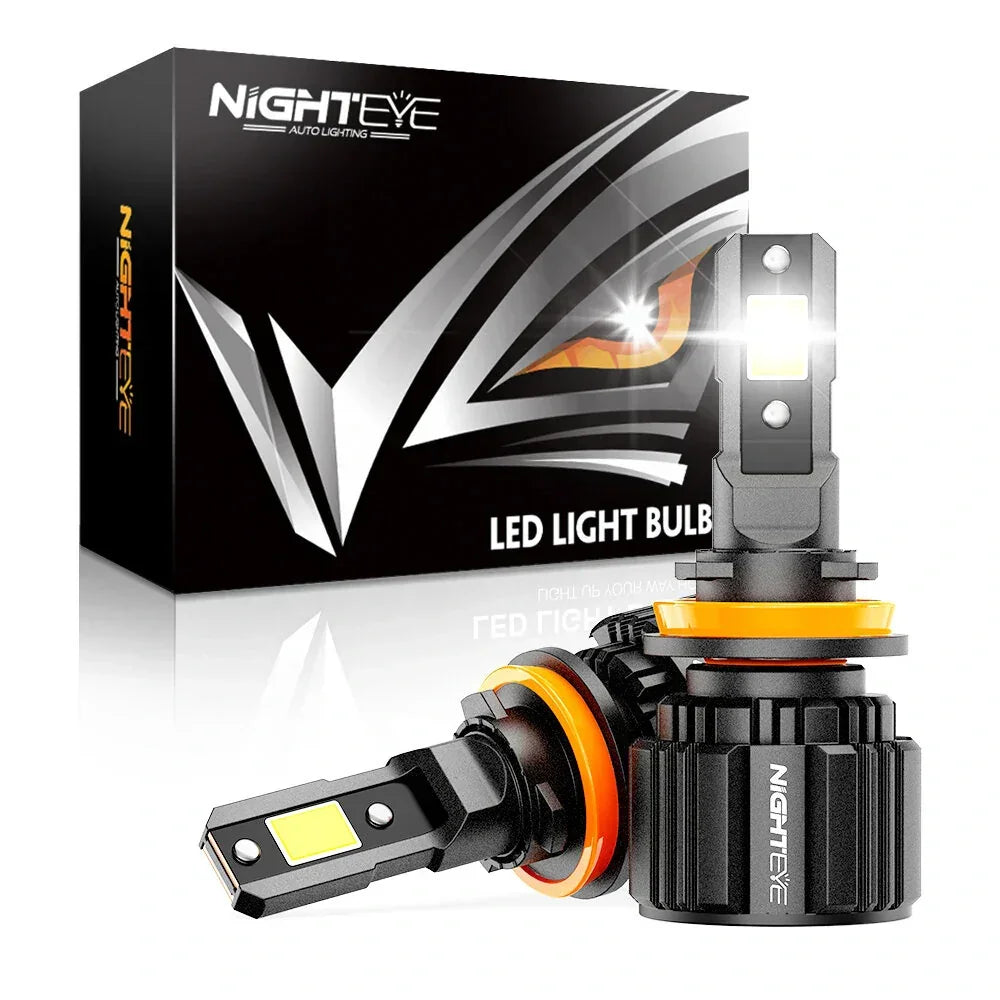
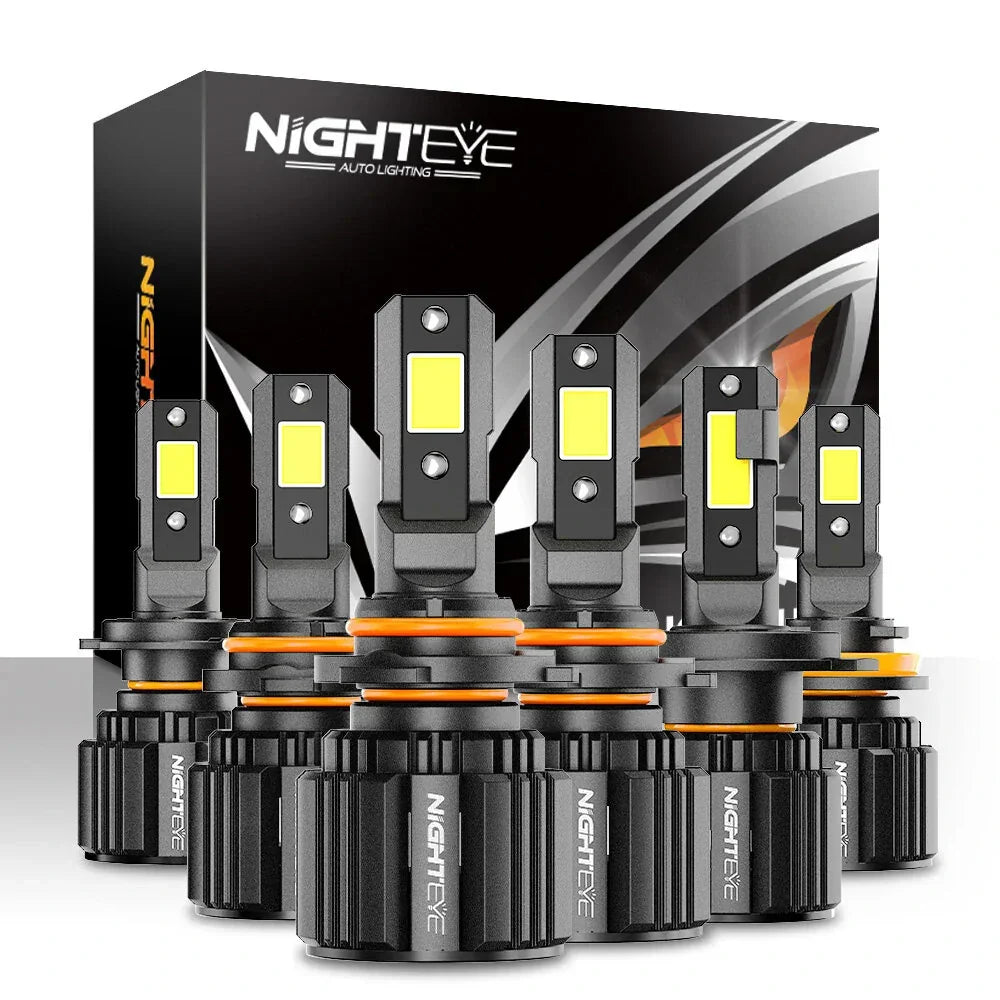
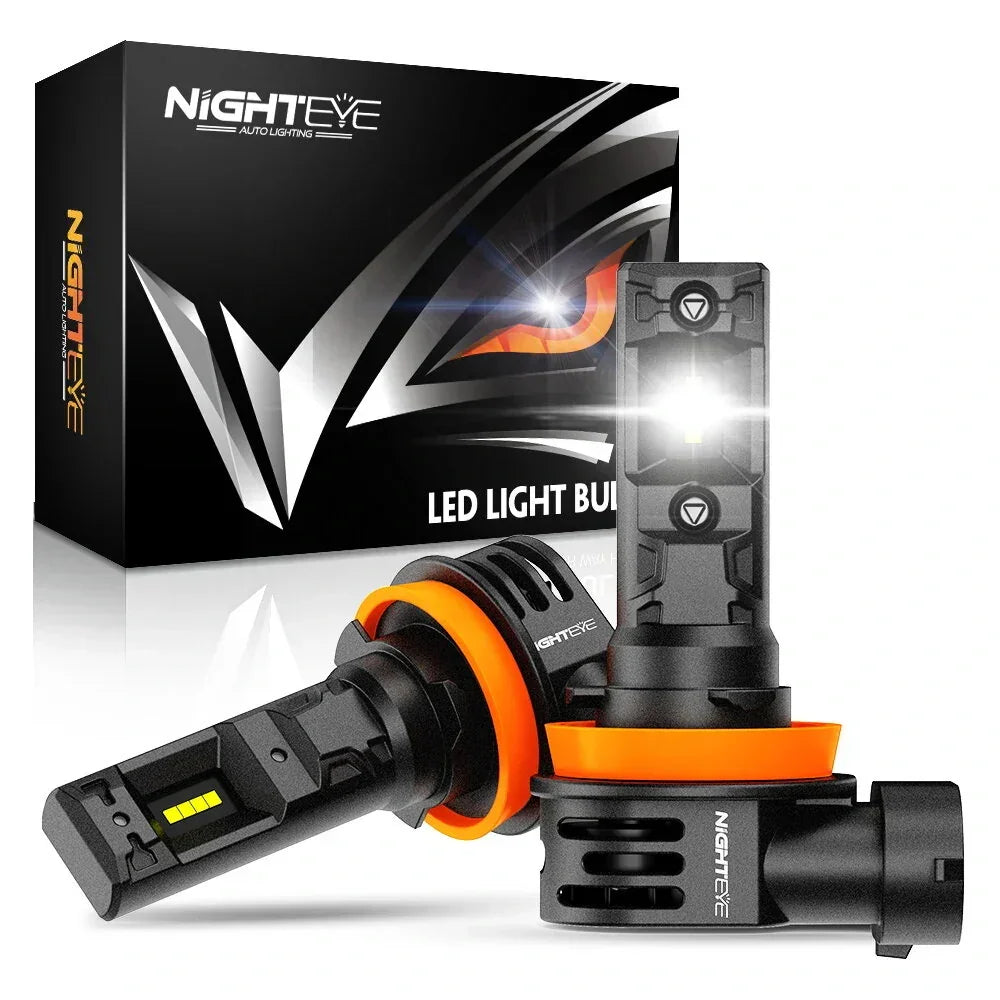
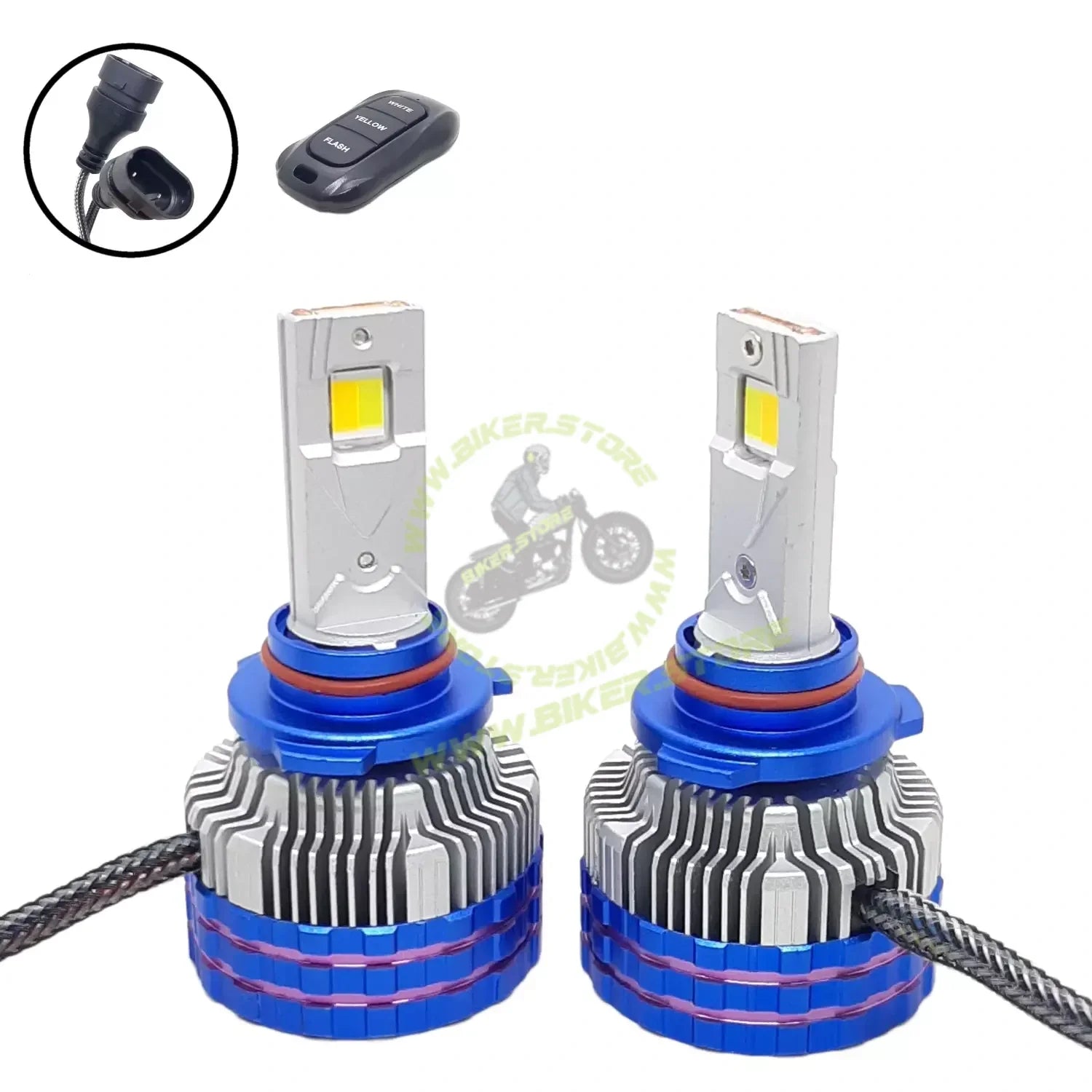
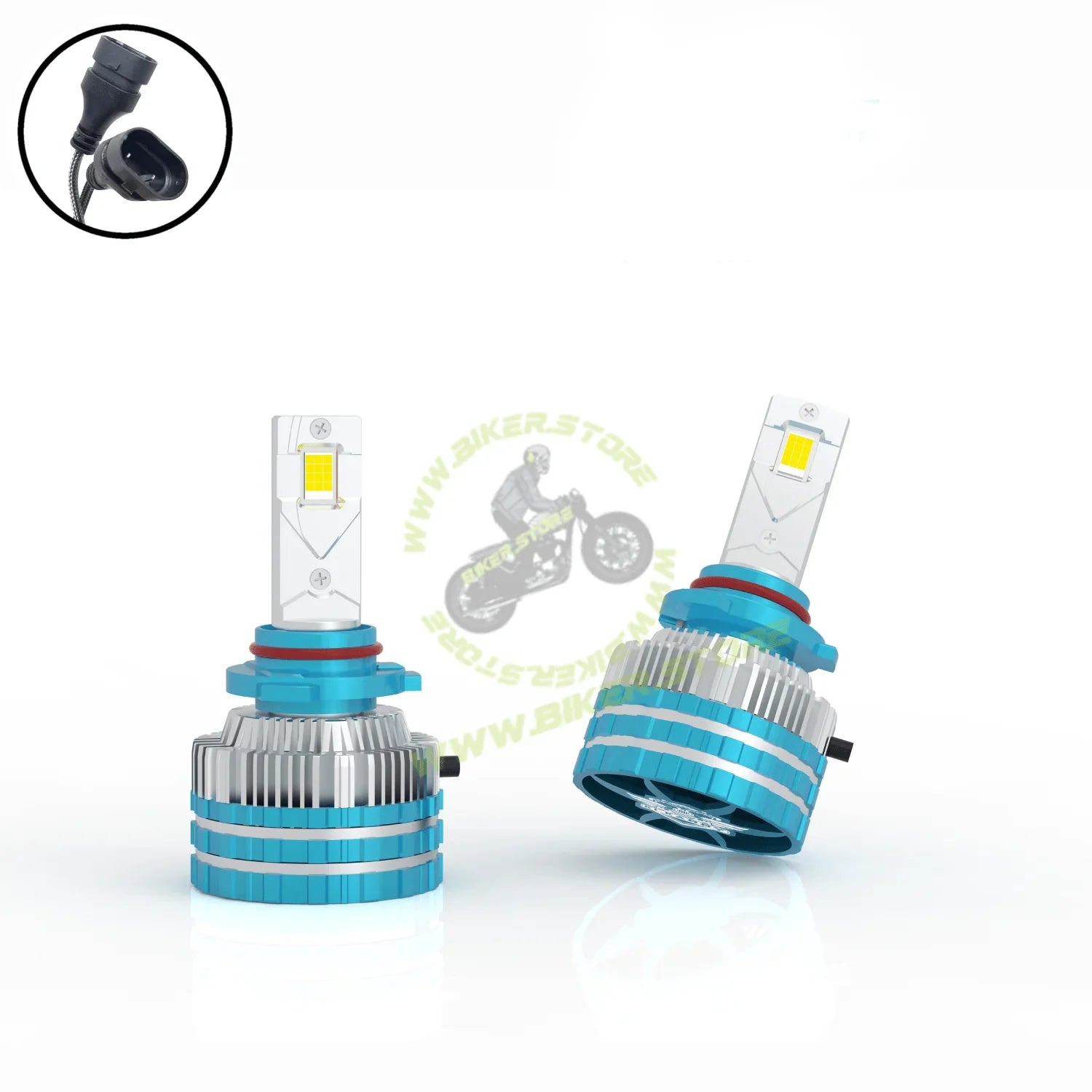
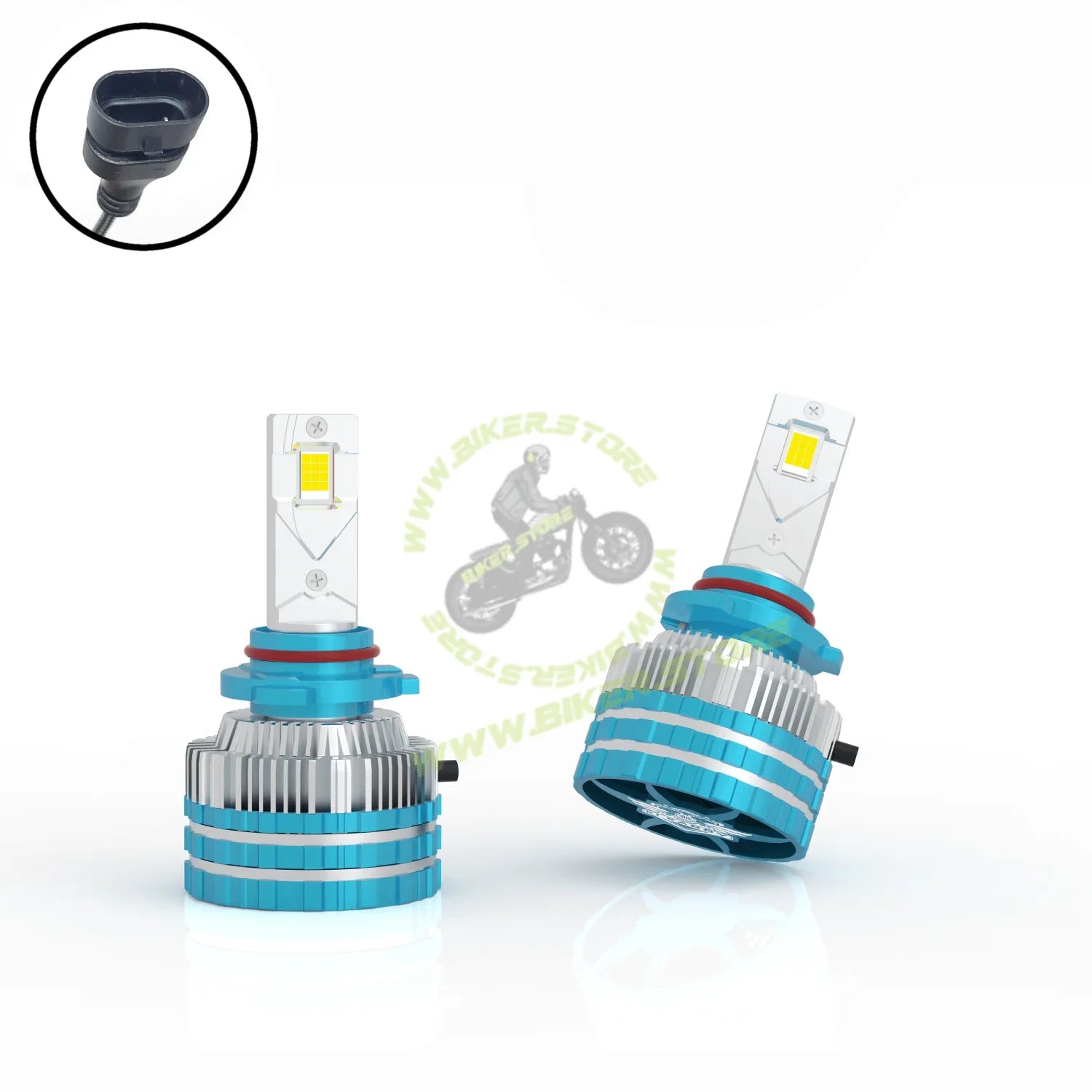
H8 / H9 / H11 / H16 LED Upgrades: The Engineering Reality | www.biker.store
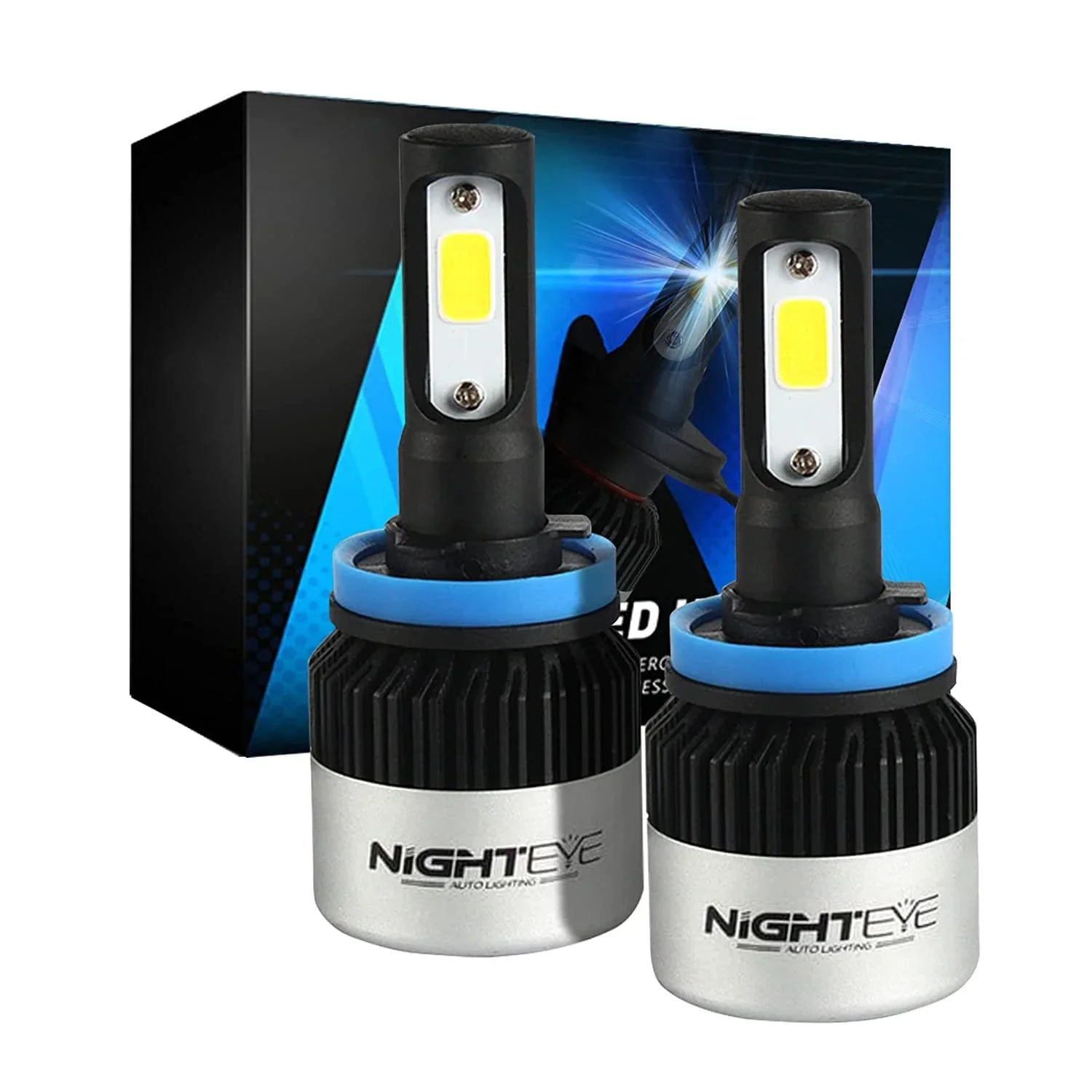
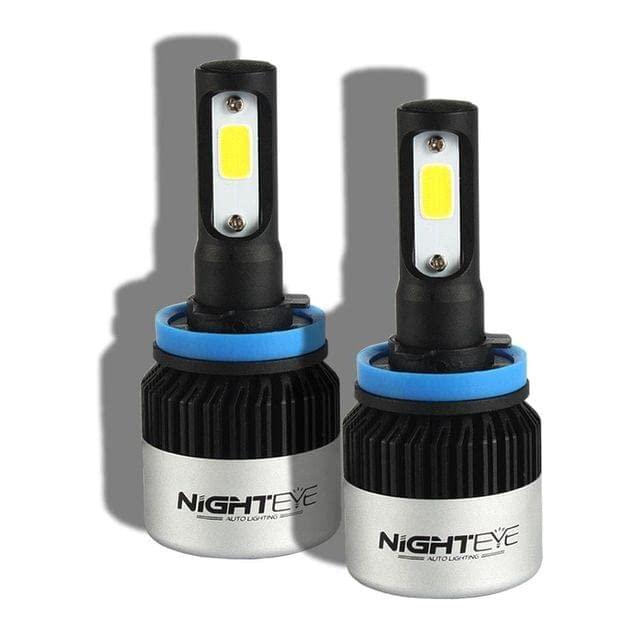
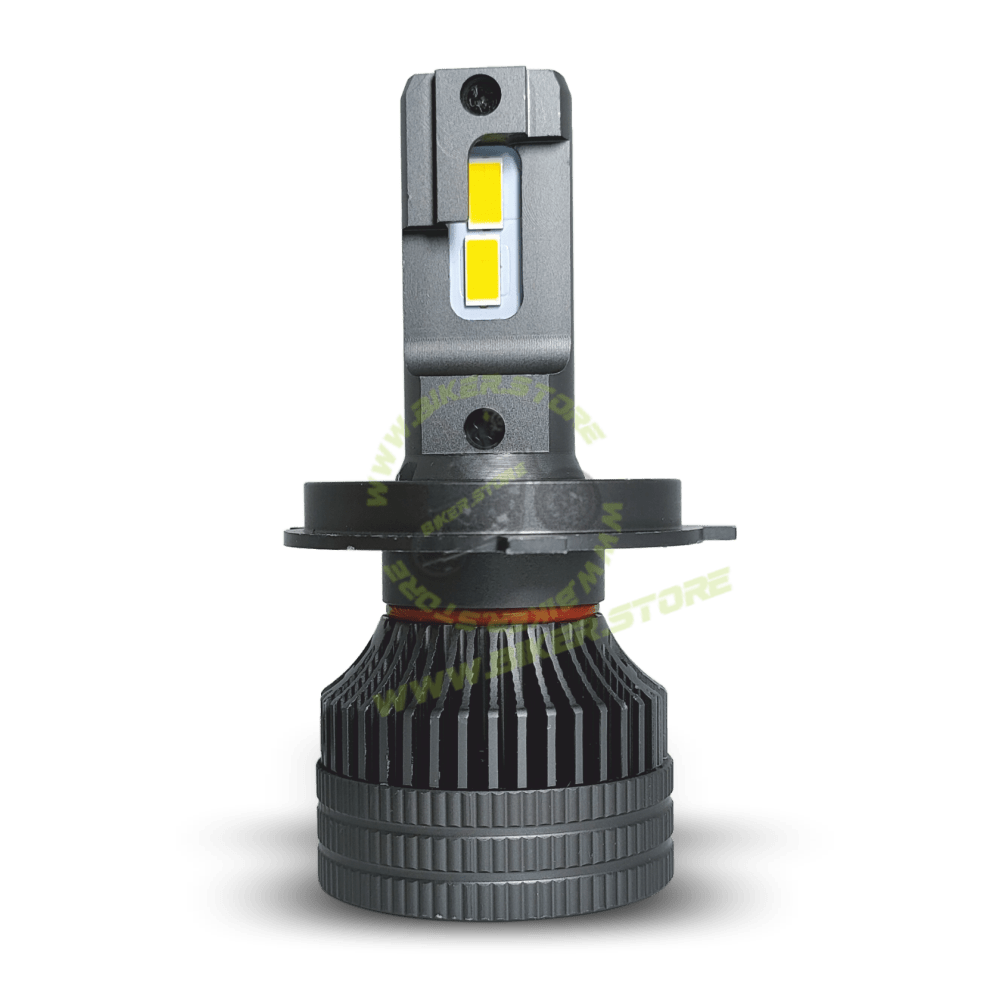
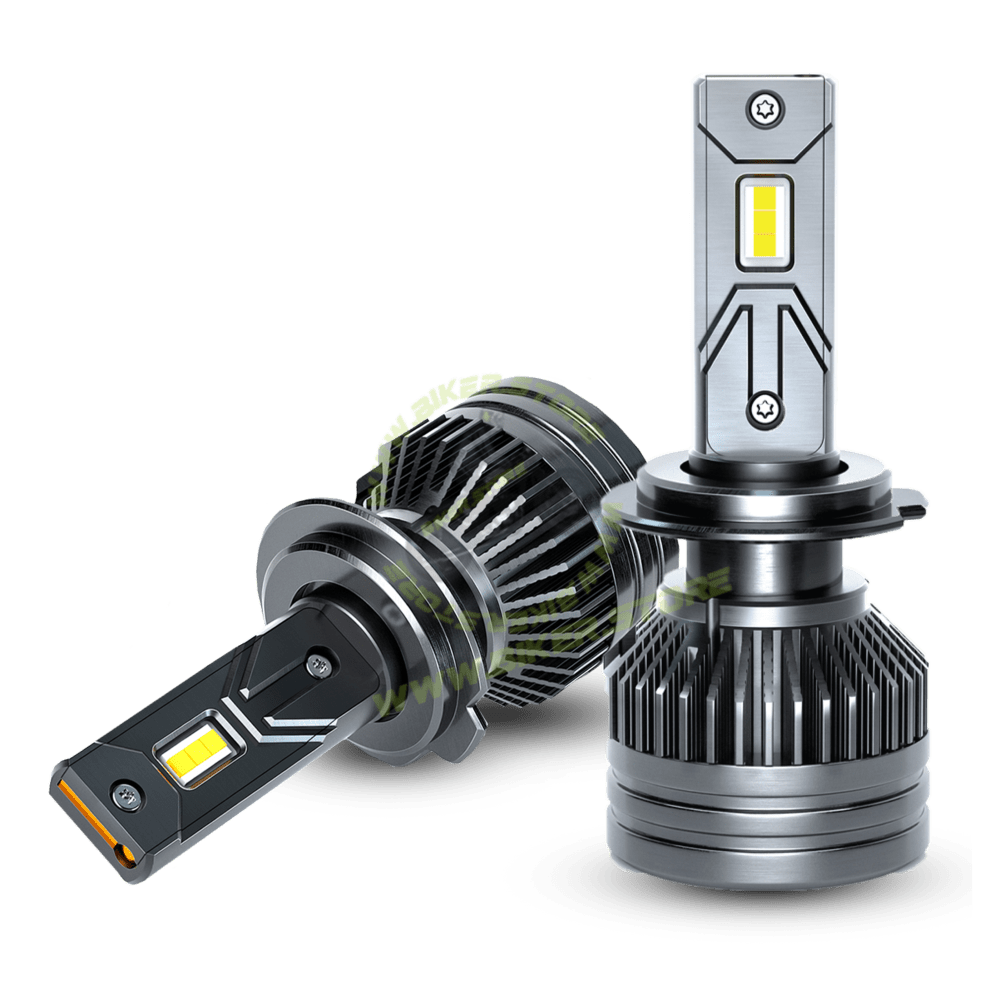
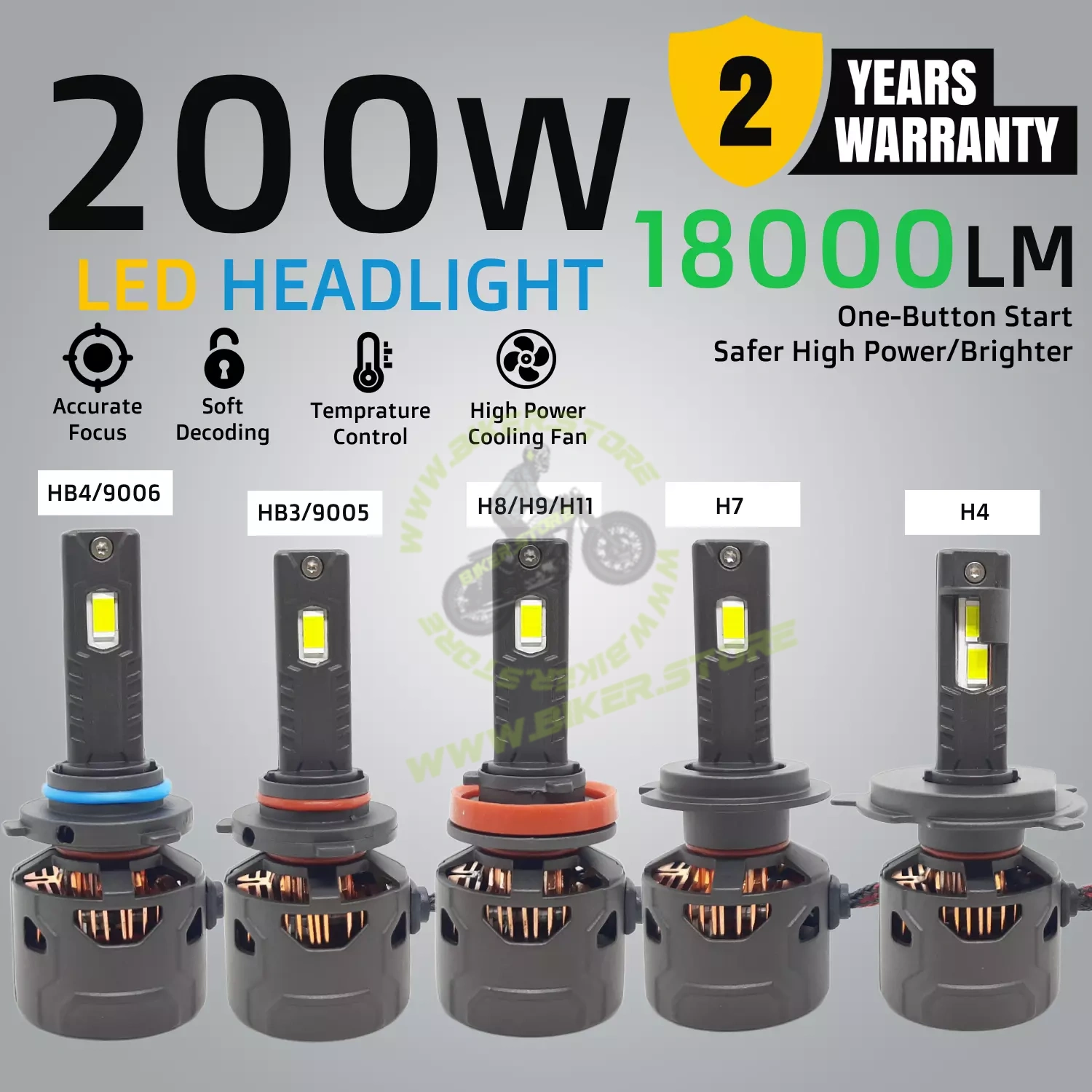
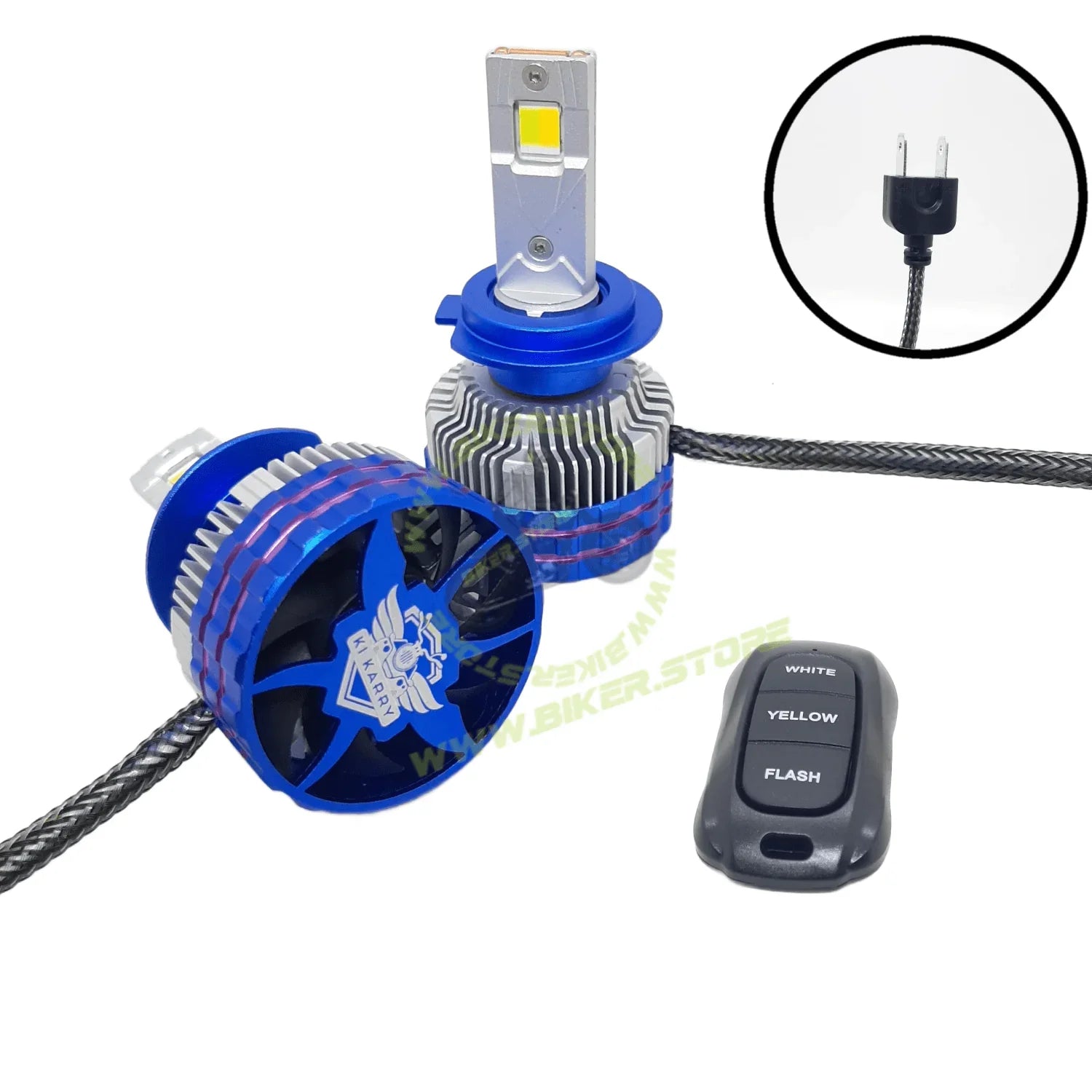
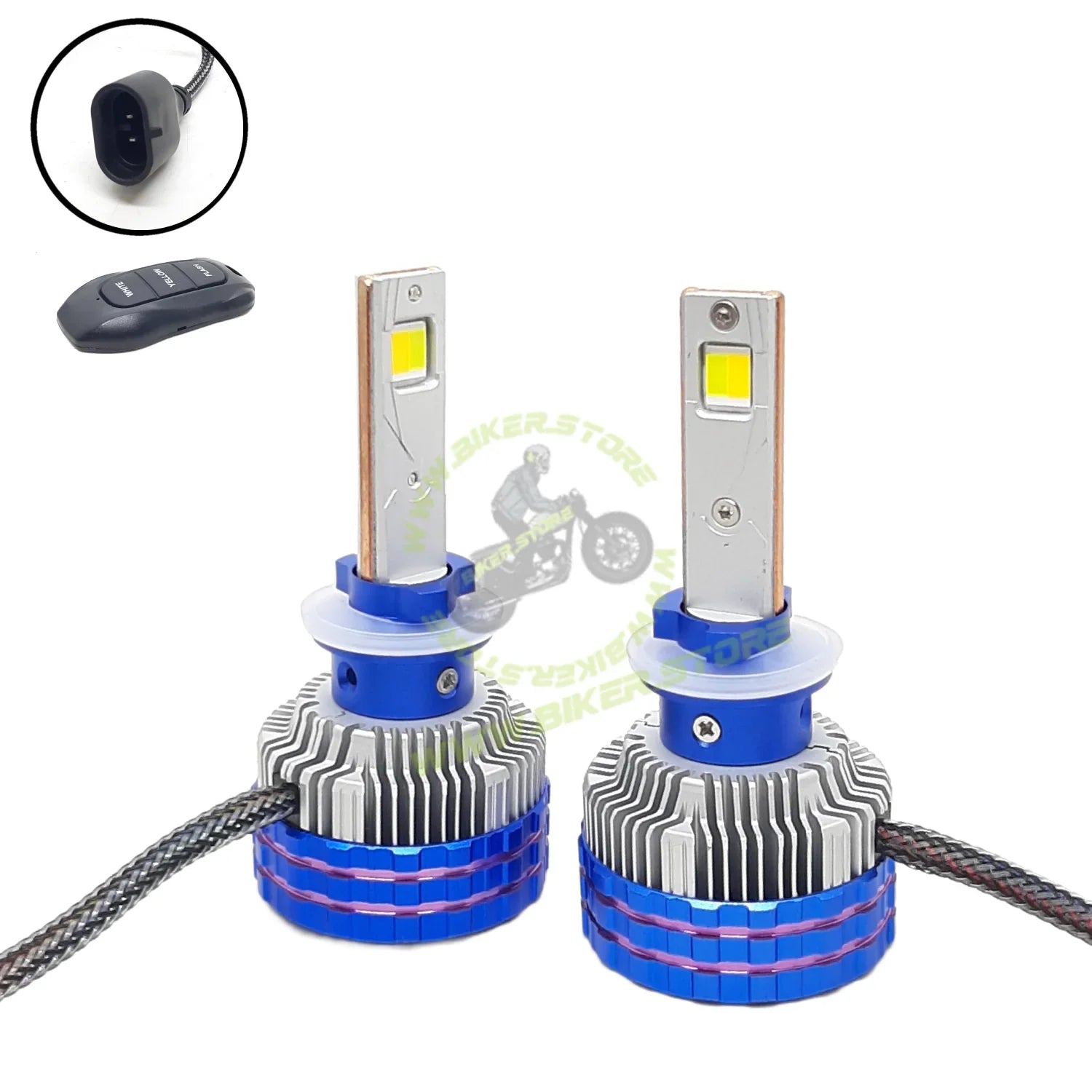
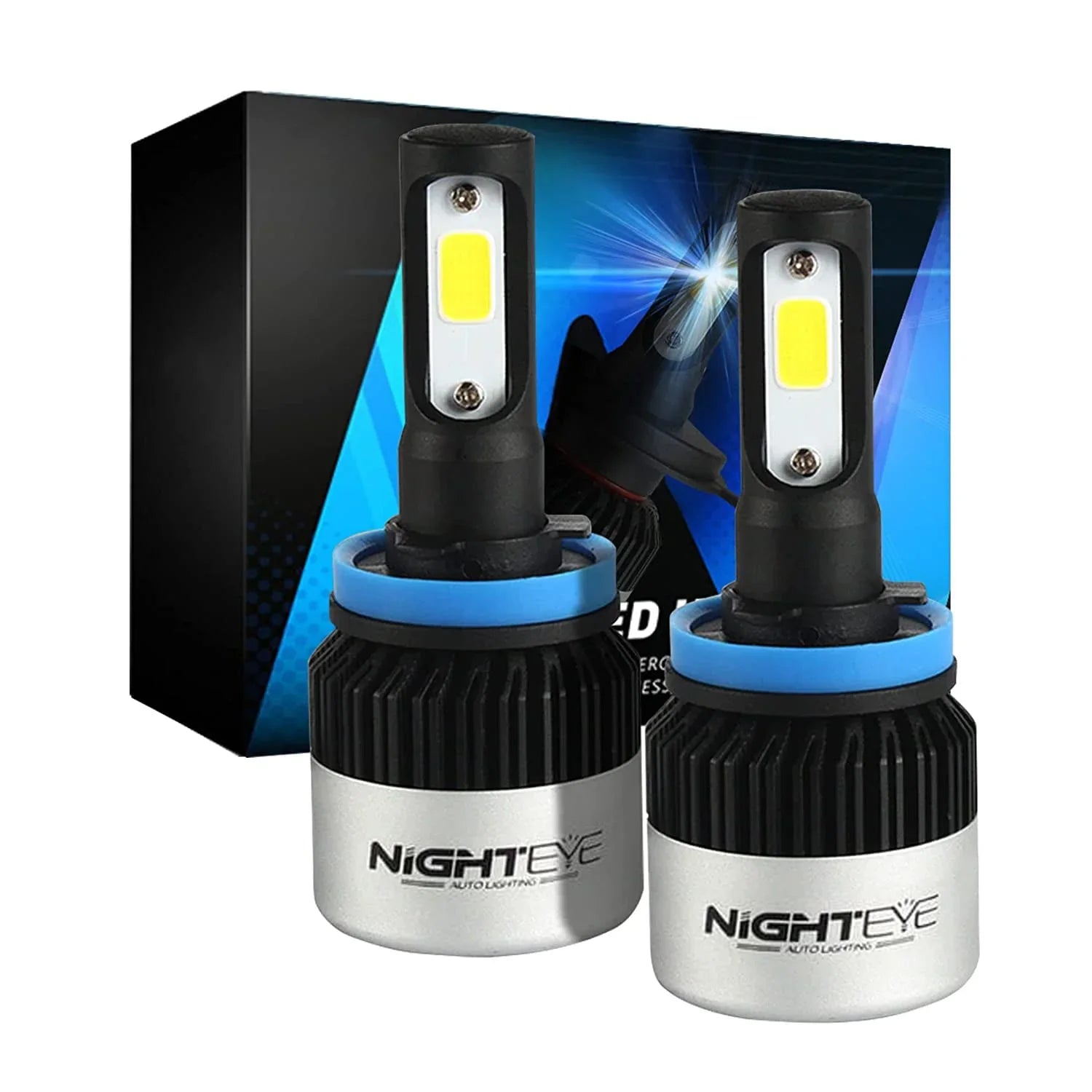
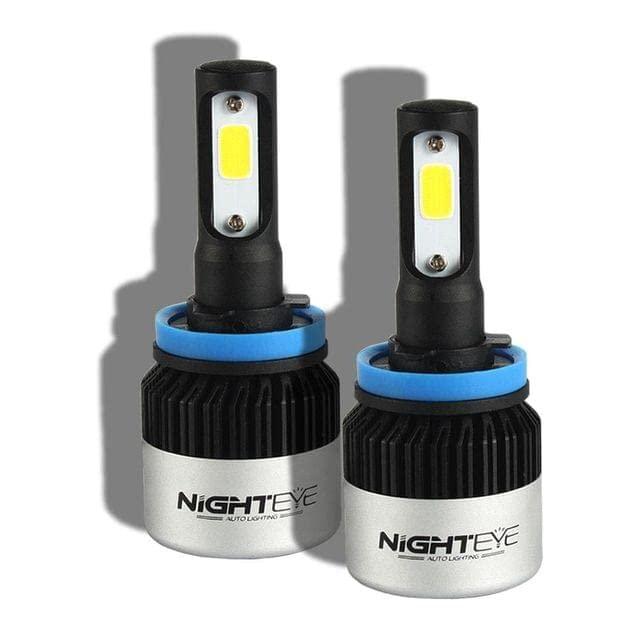
The H8, H9, H11, and H16 bulb types share a nearly identical L-shaped base and a two-prong connector. While automobile manufacturers use these specific designations to dictate factory halogen wattage (e.g., H8 is typically 35W, H11 is 55W, H9 is 65W), the aftermarket LED industry engineers a single, universal collar to fit all four sockets. This cross-compatibility makes this specific socket family the most common standard for Indian vehicle fog lights and dedicated low-beam projector headlights (found in models like the Mahindra Scorpio, Ford EcoSport, and Maruti Suzuki Baleno).
The prevailing issue with upgrading fog lights is a fundamental misunderstanding of automotive optics. Consumers frequently install excessively bright, poorly designed 6000K (cool white) LEDs into standard fog reflector housings, expecting better visibility in adverse weather. This is scientifically flawed.
Critical Technical Considerations for H8/H11 Upgrades:
-
The Physics of Fog and Color Temperature: White light (6000K) reflects heavily off water droplets, rain, and dense fog, creating a wall of glare that physically blinds the driver. If the primary objective is navigating dense fog or heavy monsoon rain, upgrading to a 3000K (Golden Yellow) or a dual-color LED is a mandatory safety requirement, not an aesthetic choice. Yellow light penetrates airborne moisture with significantly less refraction.
-
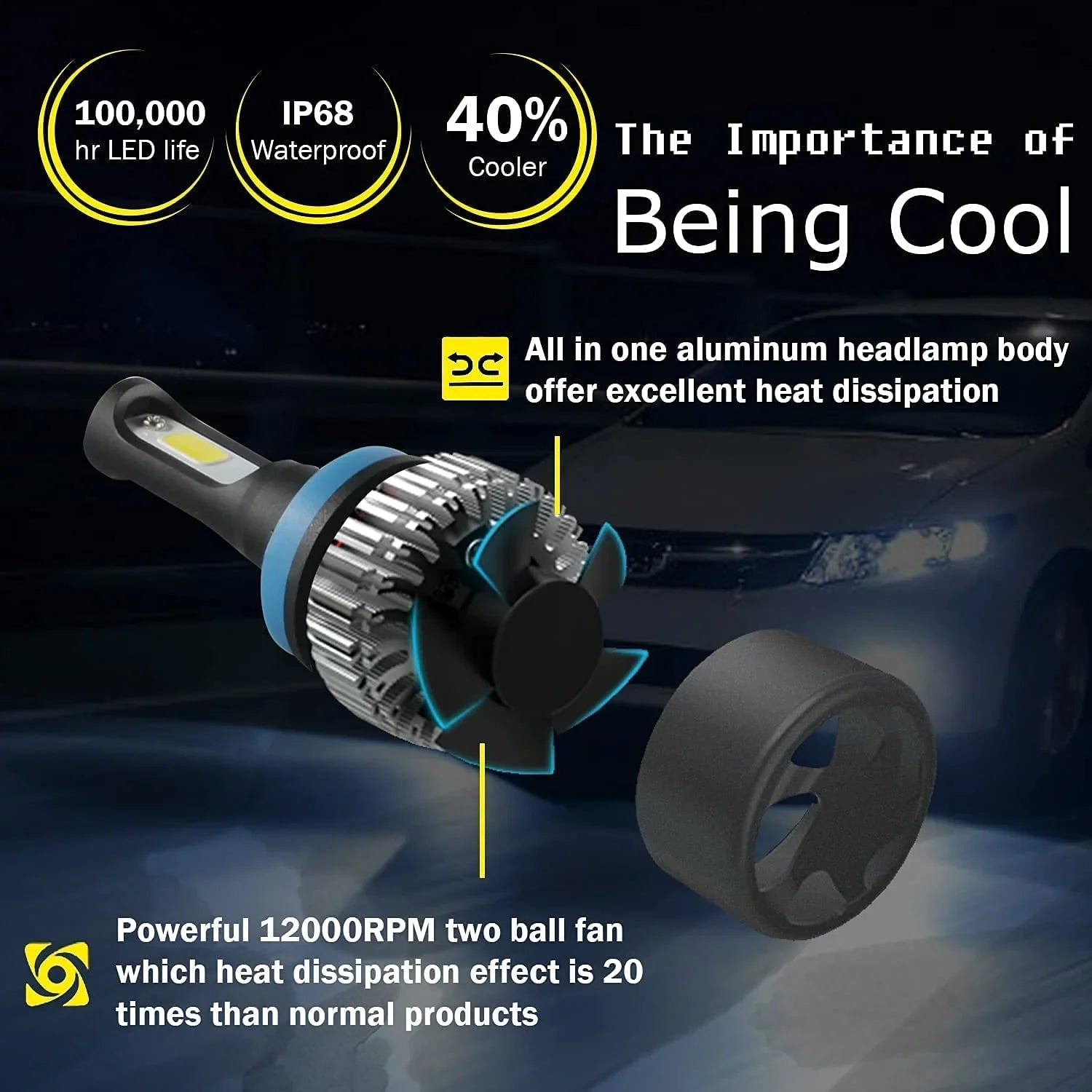
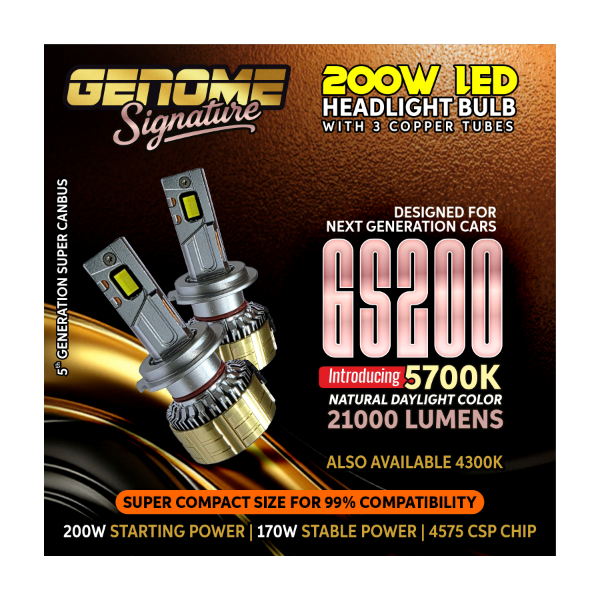
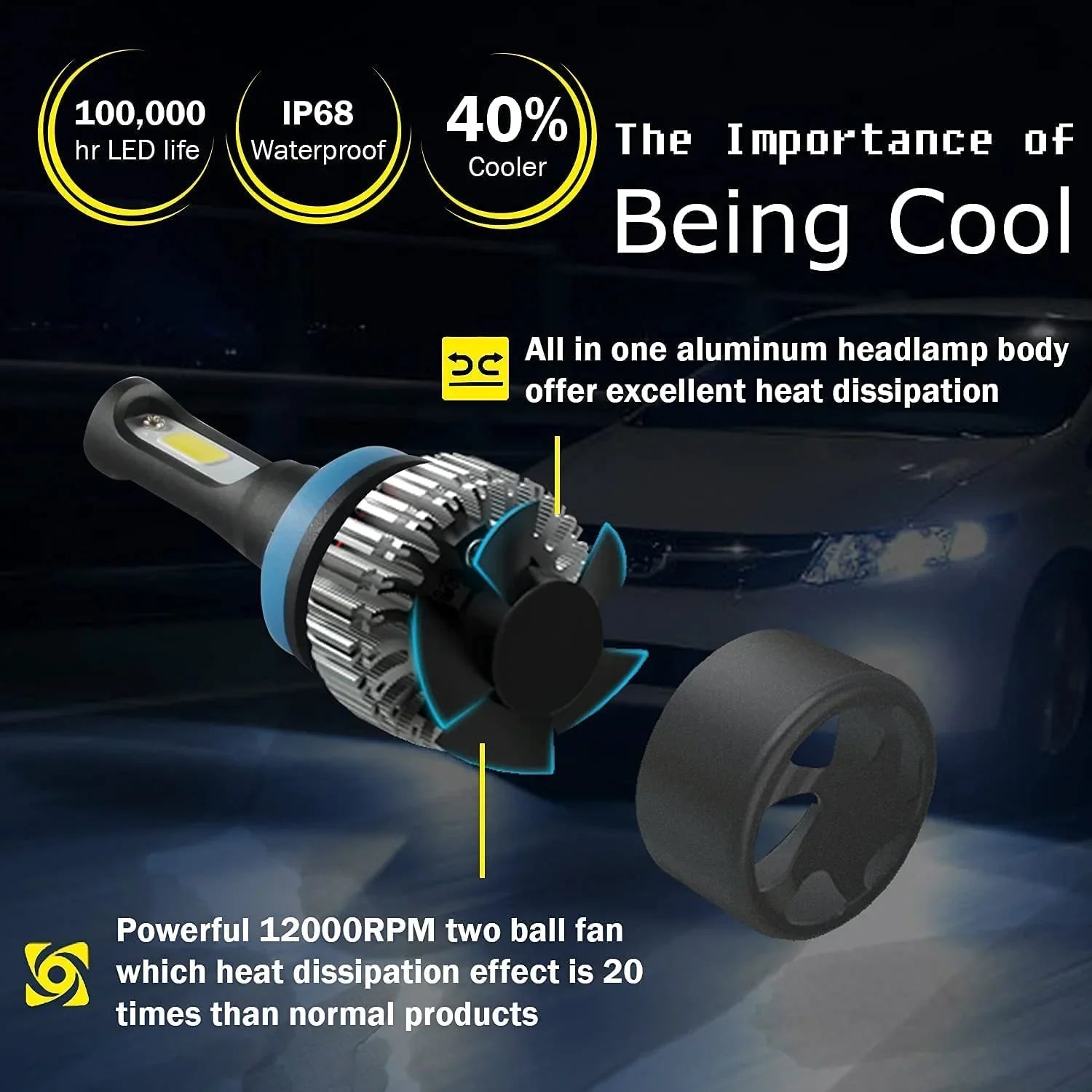
Thermal Limitations of Fog Light Housings: Factory fog light enclosures are physically smaller than main headlight assemblies and are situated lower on the bumper, exposing them to mud, water, and restricted airflow. Installing an aggressively over-driven LED (claiming "200W") inside a compact, sealed fog housing will result in immediate thermal throttling. The bulb will overheat and permanently degrade within weeks. We catalog thermally stable units designed to operate within the volumetric constraints of standard bumper housings.
-
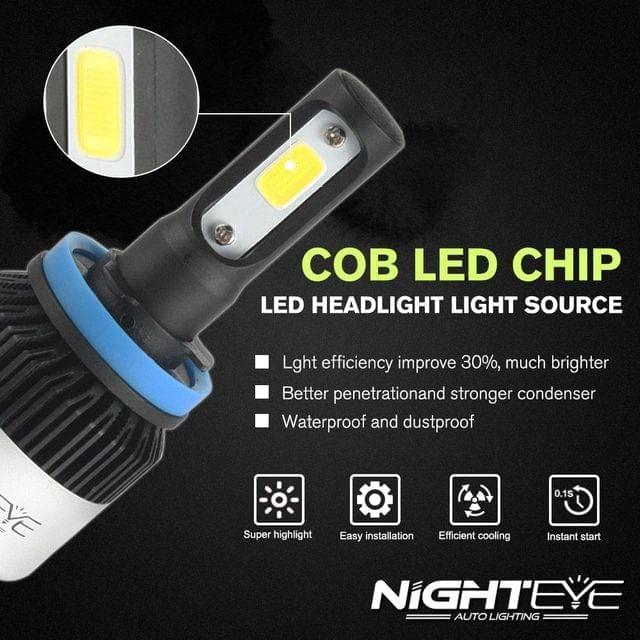
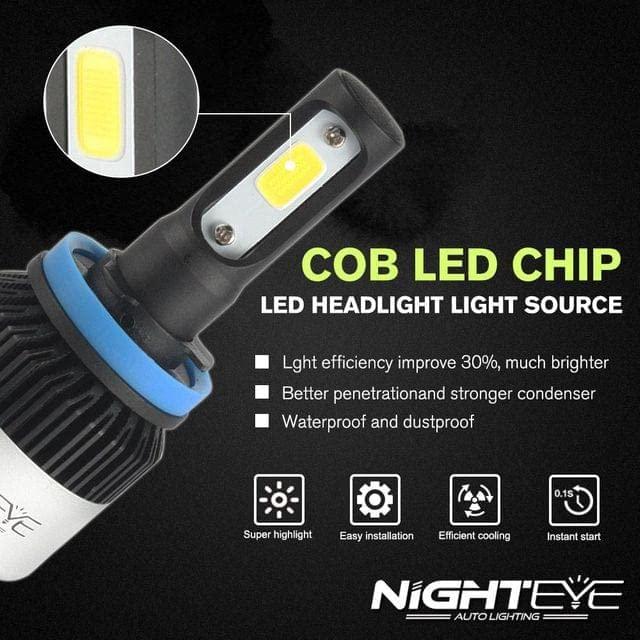
Beam Geometry: A fog light is engineered to cast a wide, flat beam directly in front of the vehicle to illuminate road edges and lane markings underneath the fog layer. Inserting a generic, multi-sided LED chip destroys this beam pattern, throwing light upwards into oncoming traffic. Our selection prioritizes dual-sided CSP chips with ultra-thin copper substrates to maintain the critical horizontal cut-off required for functional fog lamps.
Technical Frequently Asked Questions (FAQ)
Q: Are H8, H11, and H16 actually the exact same bulb? A: Electrically and functionally in the LED aftermarket, yes. The factory halogen versions feature microscopic differences in the width of their three metal mounting tabs to prevent a high-wattage H11 halogen from melting a low-wattage H8 plastic housing. LED replacements use a universally machined collar that bypasses these tab restrictions, allowing one LED model to perfectly lock into any H8, H9, H11, or H16 housing.
Q: Can I use an H11 LED for both my low beams and my fog lights? A: Yes, provided your vehicle uses the H11 socket for both applications. However, the operational requirements differ. For a low-beam headlight, a high-lumen 6000K white LED is optimal for distance. For a fog light, prioritizing a 3000K yellow or lower-wattage white LED is strictly recommended to prevent self-blinding glare in poor weather.
Q: Will installing an H11 LED in a factory H8 fog light housing cause melting? A: No. Factory H8 halogens draw 35W of power and generate immense infrared heat. A premium H11 LED draws between 20W and 30W of true power. The LED operates at a significantly lower external temperature, posing zero risk of melting standard plastic fog light enclosures.
Q: My car has a cornering light function integrated into the fog lights. Will LEDs work? A: Yes. However, LEDs require a split-second to initiate their internal drivers. In vehicles where the fog light briefly pulses on and off to illuminate corners during steering, a high-quality Canbus-ready LED must be utilized. Cheaper LEDs will either fail to ignite quickly enough or flicker uncontrollably due to the rapid voltage switching from the cornering relay.
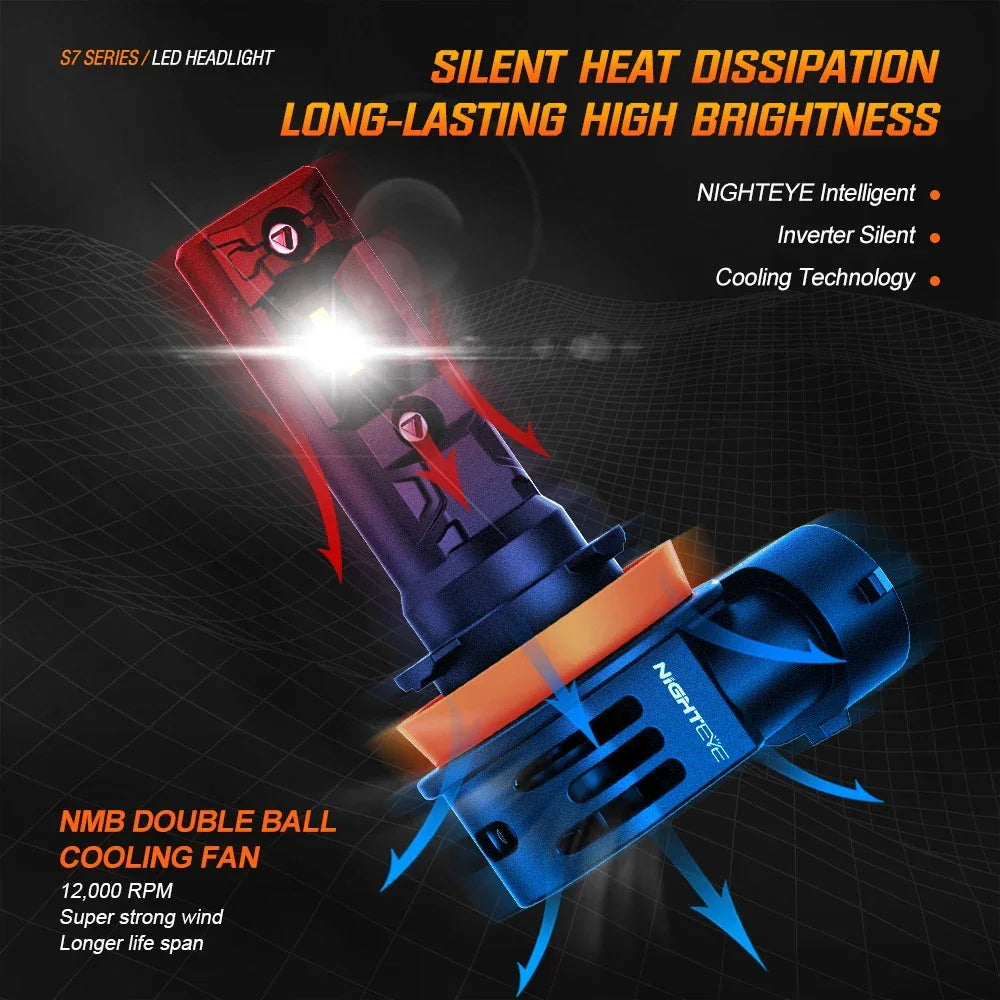
Q: Why does the fan on my fog light LED fail so quickly? A: Fog lights are positioned inches from the road surface. If the vehicle's wheel-well splash guards are damaged or missing, water and abrasive grit will directly enter the LED's cooling fan. For vehicles operating in severe off-road or monsoon conditions, selecting a passively cooled (fanless) H11 LED or ensuring an IP68-rated active cooling system is imperative for long-term survival.