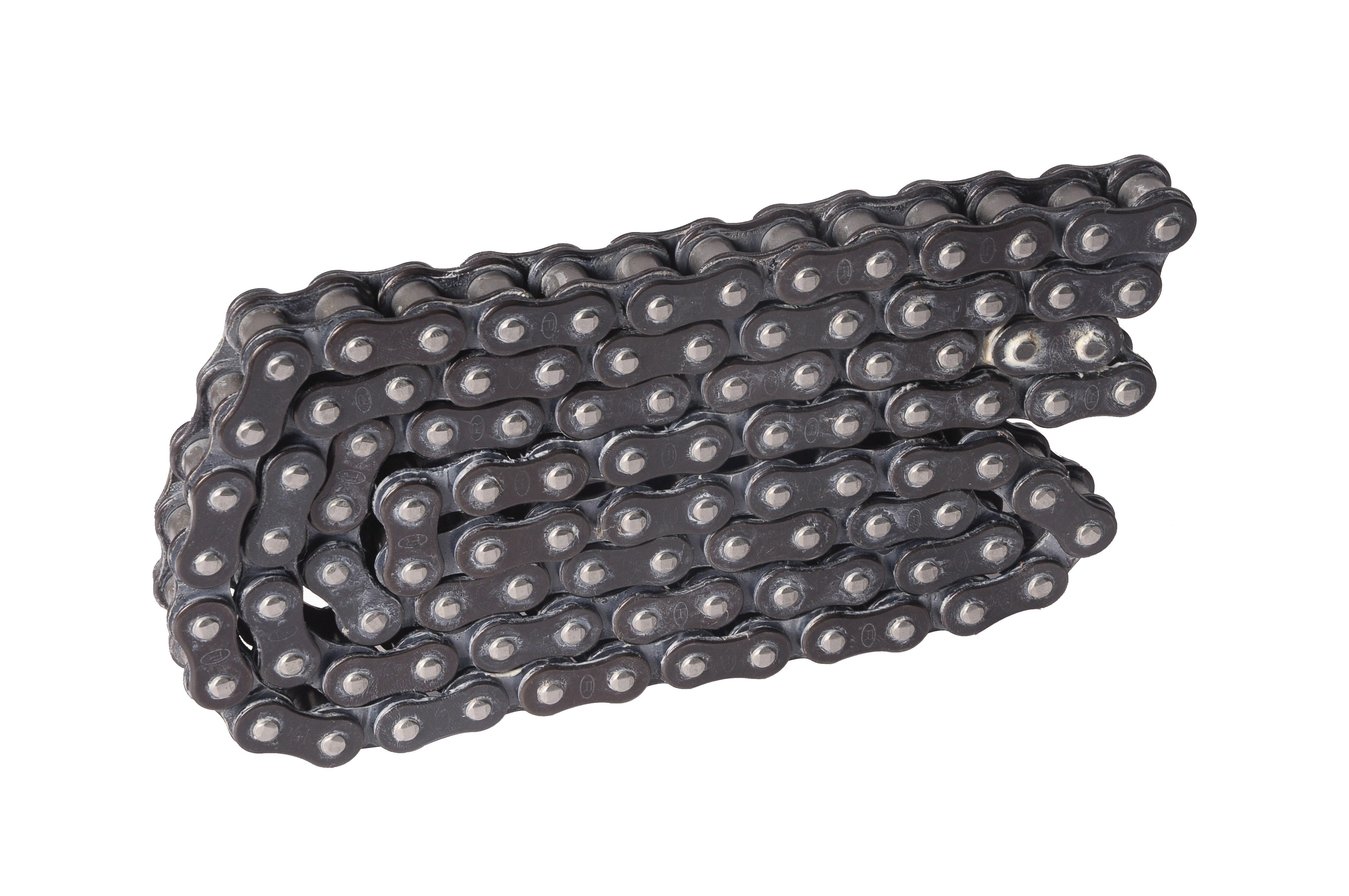
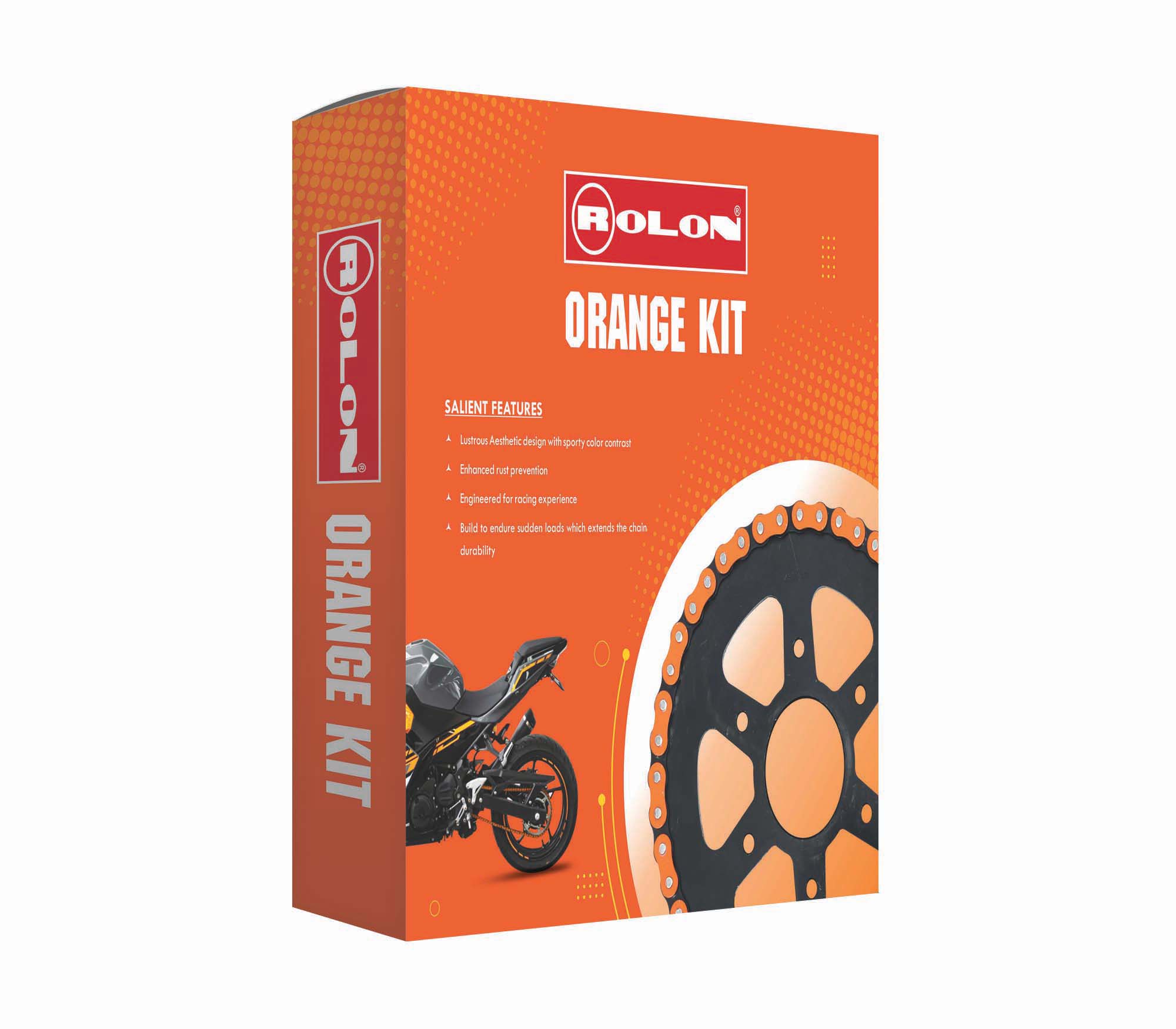
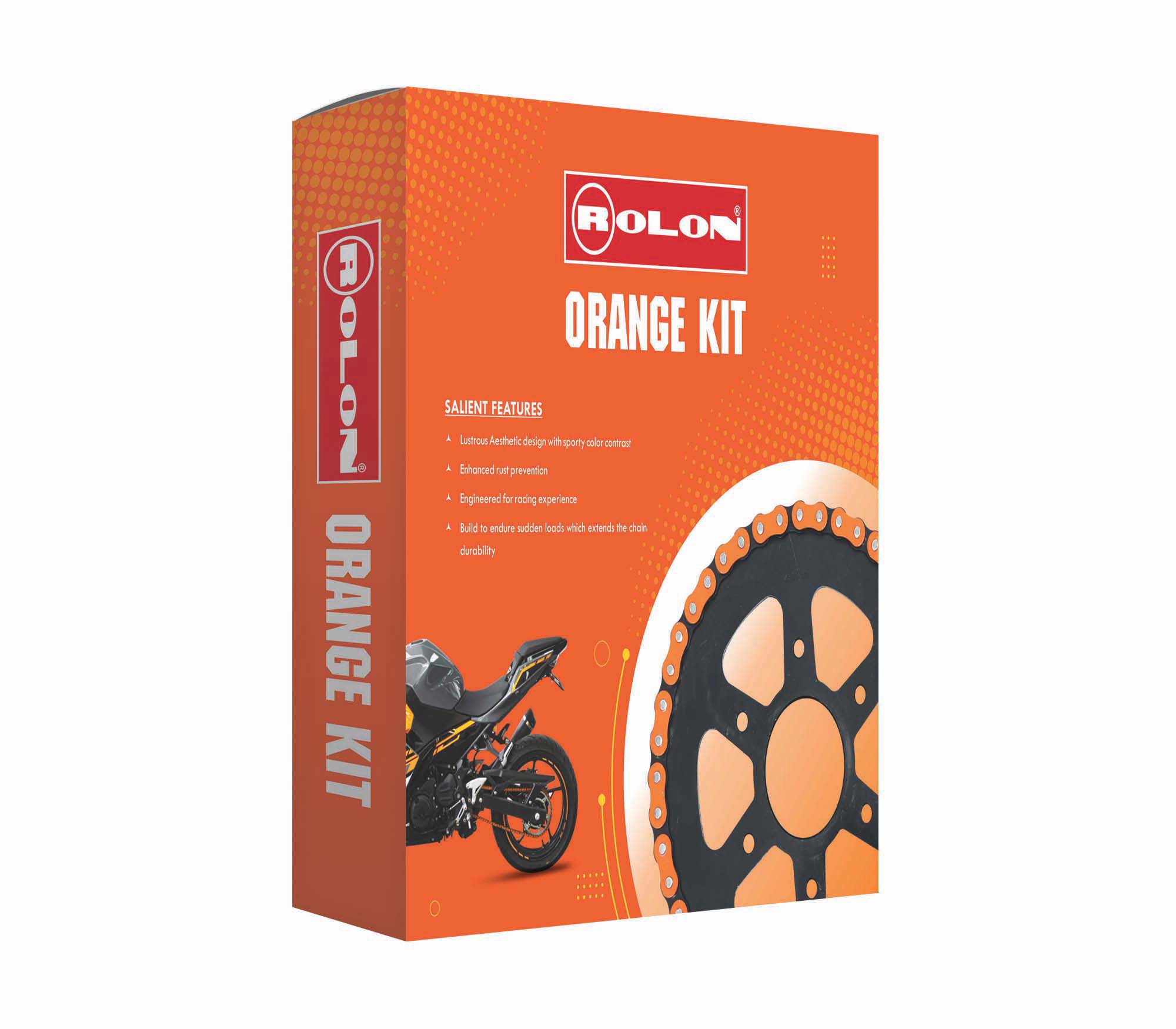
The motorcycle drivetrain operates under continuous, violent kinetic stress. Every ounce of engine torque is transferred to the rear wheel through a series of interlocking metal pins and teeth exposed to grit, water, and extreme friction. Installing a cheap, unbranded chain and sprocket kit on a high-torque platform like a Kawasaki Versys 650, Royal Enfield Himalayan 450, or even a daily-driven Classic 350 is a catastrophic mechanical risk. Inferior stamped-steel sprockets warp under load, and low-tensile chains elongate rapidly before snapping at highway speeds. When a chain snaps, the kinetic energy frequently whips it forward, shattering the aluminum engine casing, locking the rear wheel, and causing an immediate high-speed crash.
This collection strictly features professional-grade, high-tensile drivetrains. Engineered with induction-hardened high-carbon steel sprockets and factory-spec sealed chains, these kits are built to withstand severe rotational mass and aggressive torque delivery without premature elongation or tooth shearing.
Explore the Category
-
X-Ring & O-Ring Heavy-Duty Kits: Mandatory for touring platforms and motorcycles above 300cc. These chains feature internal vacuum-injected grease trapped by rubber seals (O or X shaped) between the pin and bushing. This structural isolation drastically reduces internal metal-on-metal friction, tripling the lifespan of the chain under heavy touring loads and preventing catastrophic failure.
-
Standard Unsealed Kits: Engineered strictly for lower-displacement urban commuters. Manufactured from high-tensile carbon steel, these provide reliable daily mileage but possess zero internal lubrication. They mandate a brutal, unforgiving cleaning and lubrication schedule to prevent rapid degradation.
-
High-Carbon Steel Sprockets: Precision-machined front (drive) and rear (driven) sprockets. Cheap aftermarket sprockets are stamped from soft alloys with uneven tooth profiles that literally chew through chain rollers. Our sprockets are heat-treated and induction-hardened to guarantee perfectly symmetrical wear and deep roller seating, preventing the chain from skipping teeth under heavy acceleration.
Frequently Asked Questions (FAQs)
1. Can a stretched chain be replaced while leaving the old sprockets on the motorcycle?
Absolutely not. A chain and its sprockets mate mechanically and wear together as a single synchronized unit. As the pitch of the chain elongates over thousands of kilometers, the sprocket teeth physically wear down and "hook" to match that elongation. If you install a brand-new, tight chain onto worn, hooked sprockets, the old teeth will physically tear the new chain rollers apart, permanently ruining the new chain within 1,000 kilometers. The front sprocket, rear sprocket, and chain must be replaced simultaneously.
2. Why is an X-Ring chain significantly more expensive than a standard chain?
You are paying for internal lubrication and structural integrity. Unsealed chains rely entirely on the external chain lube you spray on, which is rapidly washed away by rain or flung off by centrifugal force at highway speeds. X-Ring chains possess grease sealed permanently inside the critical friction zones. The "X" shape of the rubber seal provides two contact points, retaining lubrication better and creating less drag than an O-Ring. For heavy adventure bikes and high-torque engines, sealed chains are a structural necessity.
3. Can an O-Ring or X-Ring chain be cleaned with petrol or diesel?
Doing so guarantees the destruction of the chain. Petrol, diesel, and harsh industrial solvents chemically degrade, swell, and crack the delicate rubber seals. Once those seals are compromised, the internal factory grease violently spins out at high RPM, and water enters the pins. The chain will rust internally, seize its links, and snap. You must strictly use a dedicated, rubber-safe chain cleaner or pure kerosene to dissolve external grime without dissolving the vital seals.
4. What happens if the chain is adjusted too tightly to eliminate slack?
Running a chain without the factory-specified free play (typically 25mm to 35mm) forces the drivetrain to act as a mechanical suspension limiter. When the rear shock compresses over a pothole or during aggressive cornering, the swingarm geometry extends and tightens the chain. If there is no slack, the kinetic energy rips the front sprocket outward, immediately destroying the engine's countershaft seal. This causes a massive, unrepairable oil leak and will frequently snap the countershaft itself, mandating a complete engine tear-down and rebuild.
5. Is it acceptable to simply spray new chain lube over a dirty chain?
No. Spraying sticky chain lube over road grit, sand, and brake dust simply cements that abrasive material against the metal. You are effectively creating a thick, grinding paste that will rapidly machine away the protective hardened layer of your sprocket teeth. The chain must be scrubbed clean of all particulate matter before fresh lubrication is applied.
Motorcycle chain sprocket kit, heavy duty motorcycle chain, O-ring chain kit, X-ring motorcycle chain, high carbon steel sprocket, Himalayan 450 chain kit, Versys 650 sprocket, Classic 350 drive chain, motorcycle drivetrain upgrade, anti rust motorcycle chain, sealed motorcycle chain, OEM spec sprocket, motorcycle chain replacement, touring motorcycle chain, performance sprocket set.