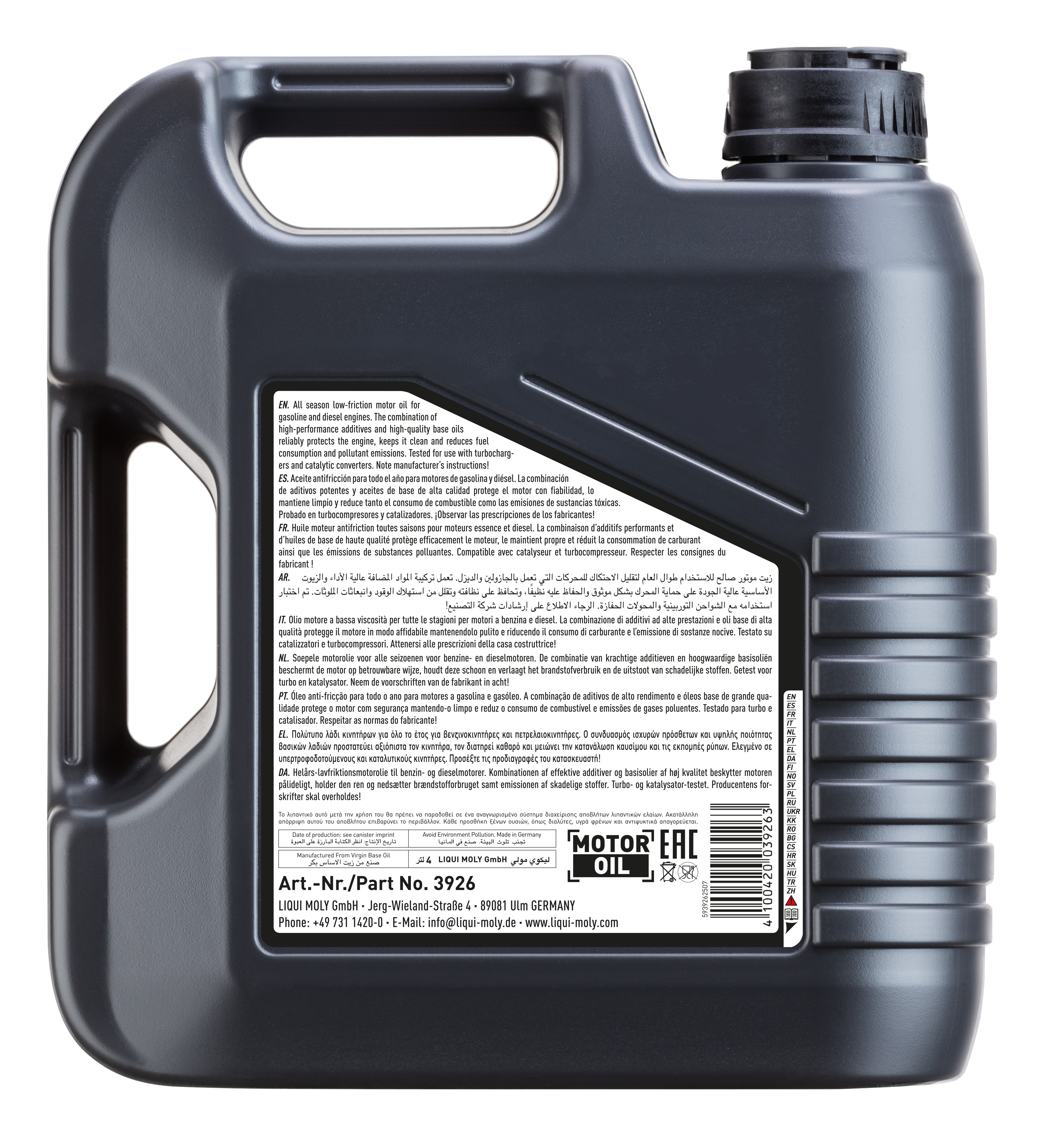
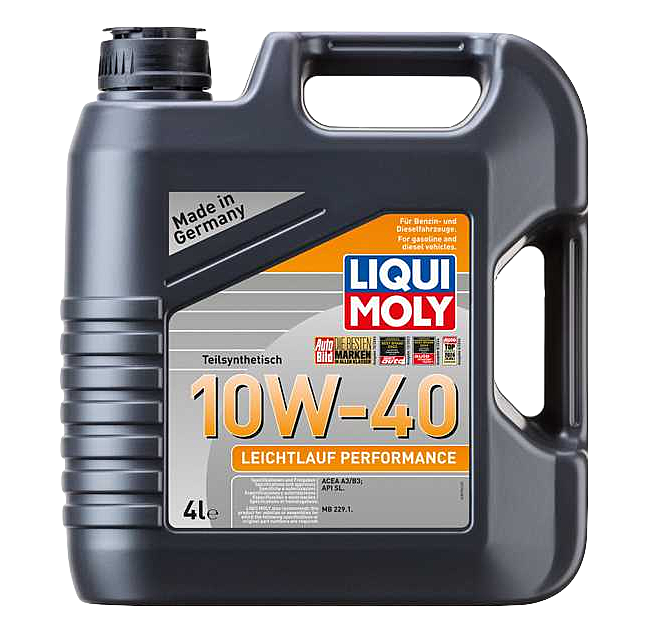
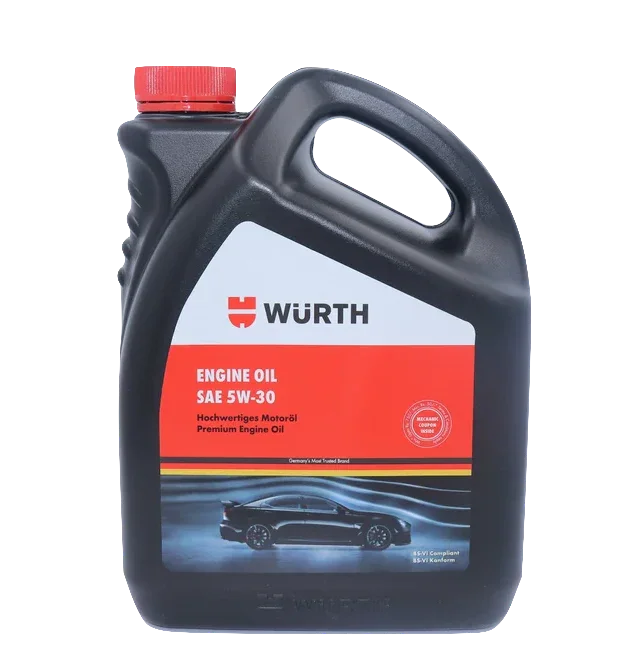
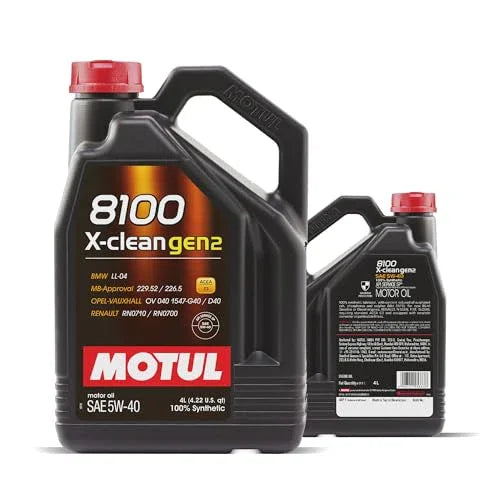
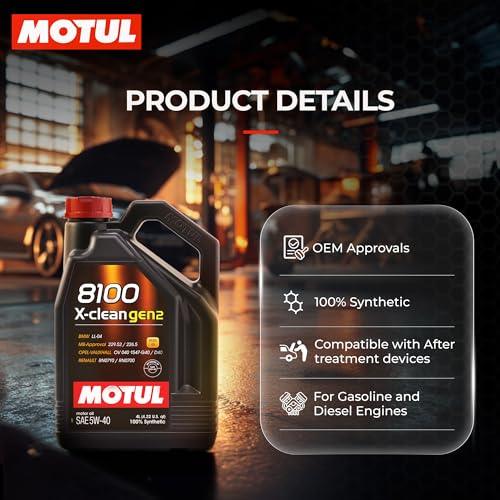
Internal combustion engines do not survive on cheap lubrication. The mechanical reality of operating a modern car or a heavy-duty SUV platform—such as a Mahindra Thar or Jeep Wrangler—involves extreme thermal loads, stop-and-go traffic, and high-stress towing or off-road articulation. Utilizing inferior mineral oils or unverified semi-synthetics actively accelerates camshaft wear, causes piston ring sticking, and guarantees catastrophic carbon sludge buildup. This collection strictly features professional-grade, fully synthetic engine oils formulated to meet or exceed rigorous API SP and ACEA specifications. These lubricants are engineered with advanced ester-core technologies and high-shear-stable polymers to maintain a critical hydrodynamic film between metal components under maximum engine load, ensuring absolute mechanical protection.
Explore the Category
-
Fully Synthetic API SP Oils (0W-20, 5W-30, 5W-40): Engineered for modern, high-compression, and turbocharged gasoline engines. These low-viscosity, high-stability formulations prevent Low-Speed Pre-Ignition (LSPI) while maximizing fuel efficiency and cold-start valvetrain protection.
-
Heavy-Duty SUV & CRDI Diesel Oils (15W-40, 5W-40 ACEA C3): Specialized high-detergent formulas designed specifically for modern Common Rail Direct Injection (CRDI) diesel engines. These oils strictly manage soot agglomeration and are formulated with low SAPS (Sulfated Ash, Phosphorus, and Sulfur) to prevent the irreversible clogging of Diesel Particulate Filters (DPF).
-
High-Mileage & Performance Blends: Formulated with active seal conditioners and robust anti-wear additives to restore compression and prevent oil leaks in aging engines suffering from deteriorating valve stem seals and worn piston rings.
-
Engine Flush & Additive Treatments: Professional-grade chemical solvents designed to dissolve baked-on carbon deposits and sludge from the crankcase prior to an oil change, ensuring the new synthetic fluid is not immediately contaminated by residual engine waste.
Frequently Asked Questions (FAQs)
1. Is it acceptable to use cheap mineral oil if the oil is changed more frequently?
Absolutely not. Frequent oil changes do not compensate for a lubricant's structural inability to handle heat. Mineral oils lack the molecular consistency and shear stability required for modern engines. Under the extreme temperatures of a turbocharged car or a heavy SUV under load, mineral oil rapidly oxidizes and vaporizes, leaving behind abrasive carbon sludge that permanently damages engine bearings, regardless of how often the oil pan is drained.
2. Should engine oil viscosity be increased to stop an older engine from burning oil?
Arbitrarily increasing oil viscosity (e.g., jumping from a 5W-30 to a 20W-50) to mask an oil consumption issue is a catastrophic mechanical error. Thicker oil restricts flow during cold starts—when 90% of engine wear occurs—starving the upper valvetrain of lubrication. It also increases internal fluid friction, elevating engine operating temperatures. If an engine is consuming oil, the mechanical fault (worn piston rings or valve seals) must be repaired, not masked with incorrect fluids.
3. Can fully synthetic and mineral oils be mixed in an emergency?
Mechanically, they will mix without immediately halting the engine, but doing so completely neutralizes the performance benefits of the synthetic oil. The inferior mineral base will still oxidize rapidly and compromise the chemical additive package of the synthetic fluid. If a mixture is required to reach a service station, the entire crankcase must be drained, flushed, and replaced at the earliest opportunity.
4. Why do modern diesel SUVs require "Low SAPS" engine oil?
Modern diesel SUVs are equipped with Diesel Particulate Filters (DPF) in the exhaust system to trap soot. Standard engine oils contain high levels of Sulfated Ash, Phosphorus, and Sulfur (SAPS). When standard oils inevitably bypass the piston rings and burn in the combustion chamber, they produce an ash residue that permanently clogs the DPF substrate. Replacing a ruined DPF costs thousands. A strictly rated ACEA C3 or equivalent Low SAPS oil is a mandatory requirement to preserve the exhaust aftertreatment system.
5. Do aftermarket oil thickeners and additives actually improve engine performance?
No. Premium fully synthetic engine oils are formulated with highly balanced, scientifically proven chemical additive packages directly from the refinery. Pouring aftermarket thickeners or unverified friction modifiers into the crankcase disrupts this chemical balance. In many cases, aftermarket additives clash with the oil's existing detergents, causing the additives to fall out of suspension and form heavy sludge in the oil pan.
SUV engine oil, fully synthetic car oil, API SP motor oil, ACEA C3 diesel oil, Mahindra Thar engine oil, CRDI diesel lubricant, 5W-30 synthetic oil, 5W-40 engine oil, DPF compatible oil, heavy duty SUV oil, high mileage motor oil, engine flush chemical, low SAPS engine oil, prevent LSPI, car maintenance fluids, synthetic oil change, automotive lubricants.