KTM engines, specifically the 390 LC4c platform found in the Duke, RC, and Adventure, are notoriously brutal on drivetrains. The power delivery is abrupt, the compression is high, and the torque curve is entirely unforgiving. Installing a cheap, unbranded aftermarket chain on a KTM is a guaranteed path to mechanical failure. Under aggressive downshifting or wide-open throttle, inferior chains stretch instantly, and cheap stamped-steel sprockets warp. When a chain snaps on a KTM at highway speeds, it violently whips forward, shatters the aluminum engine casing, and locks the rear wheel.
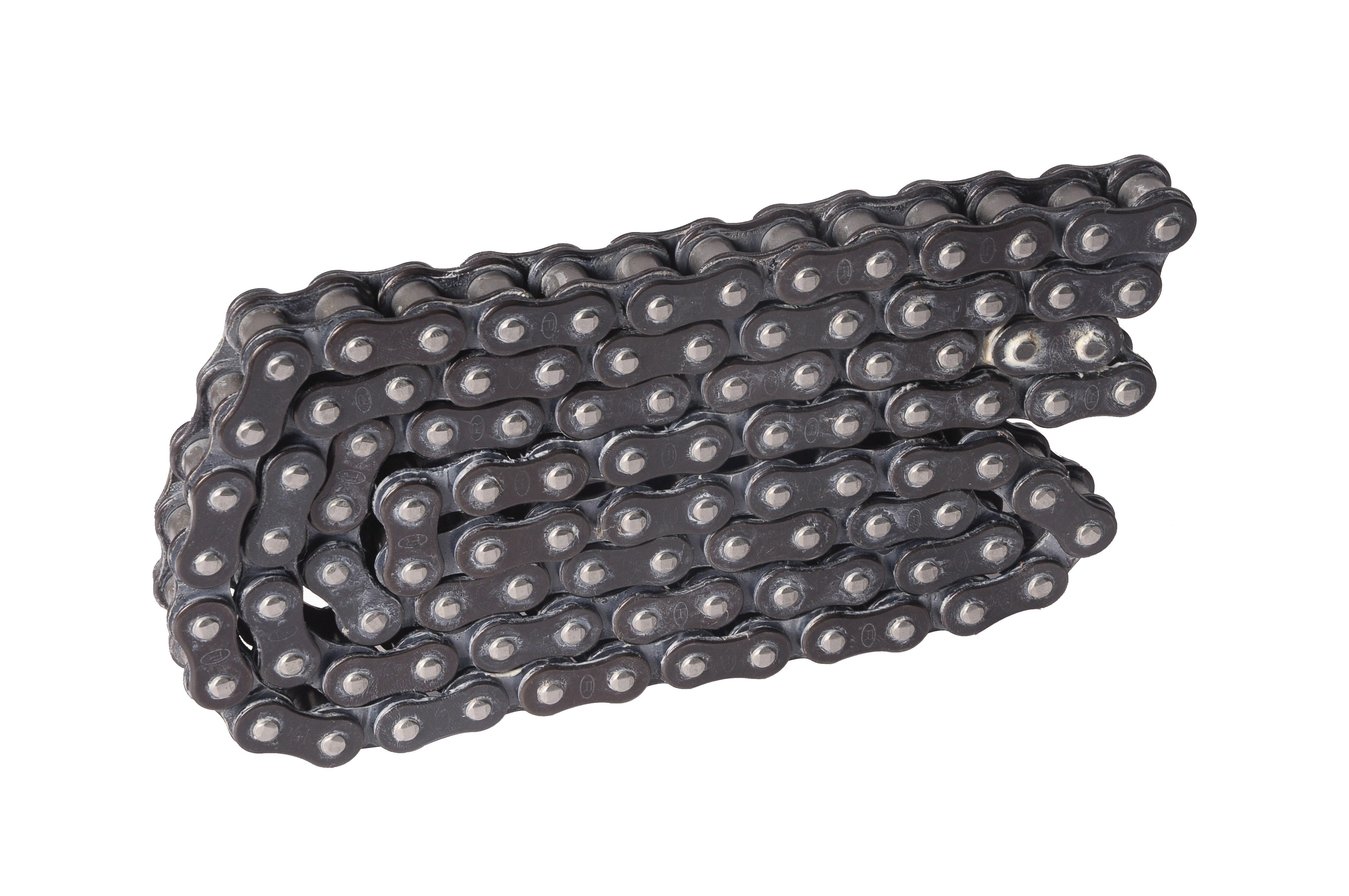
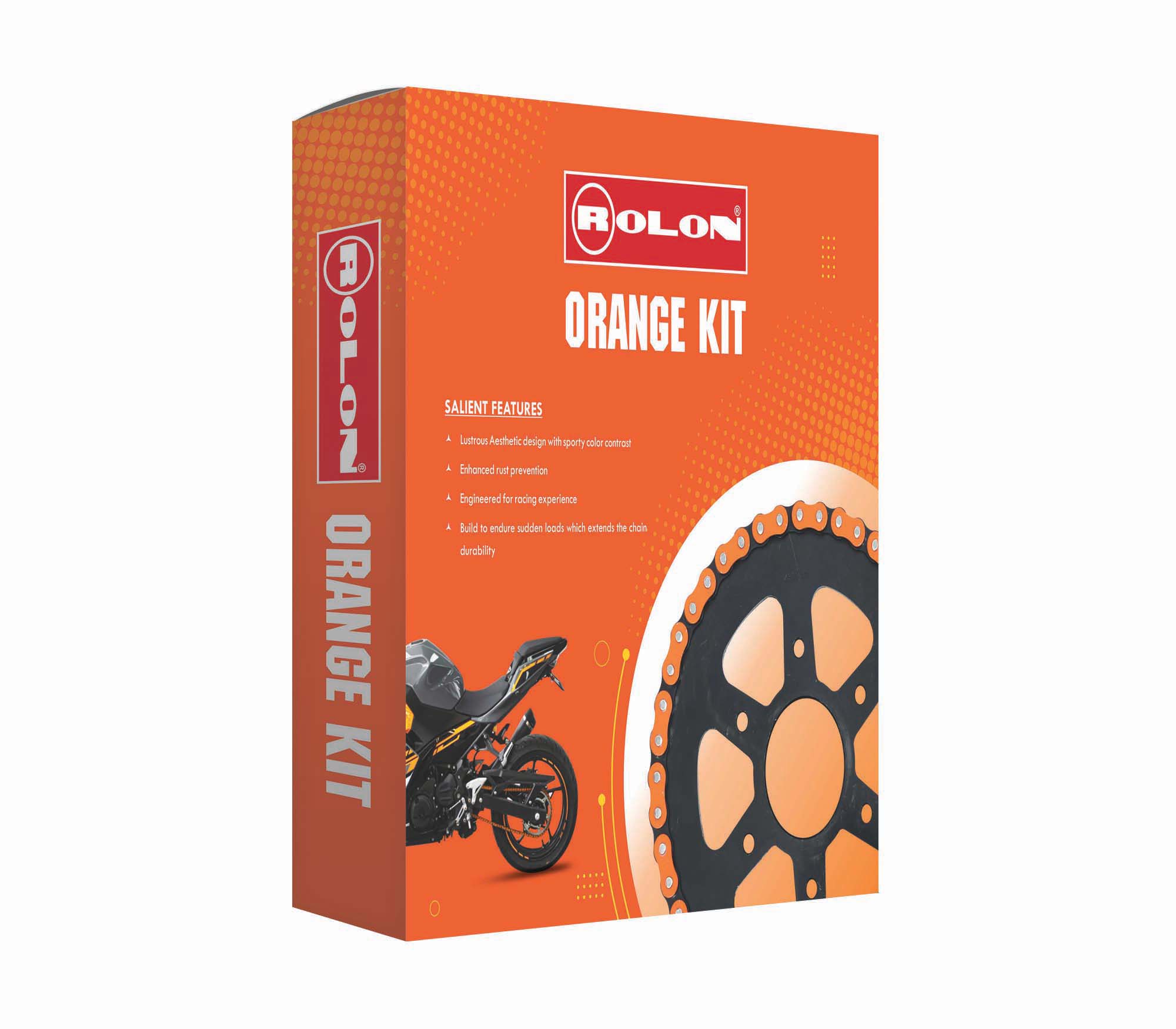
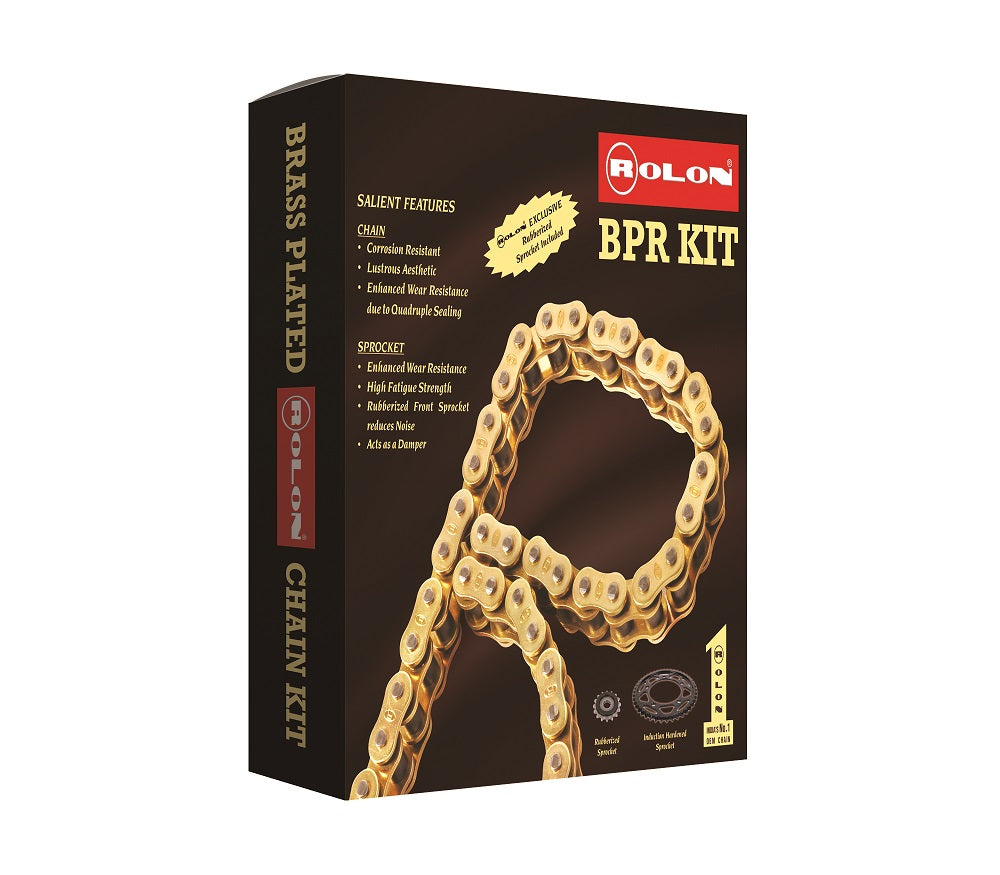
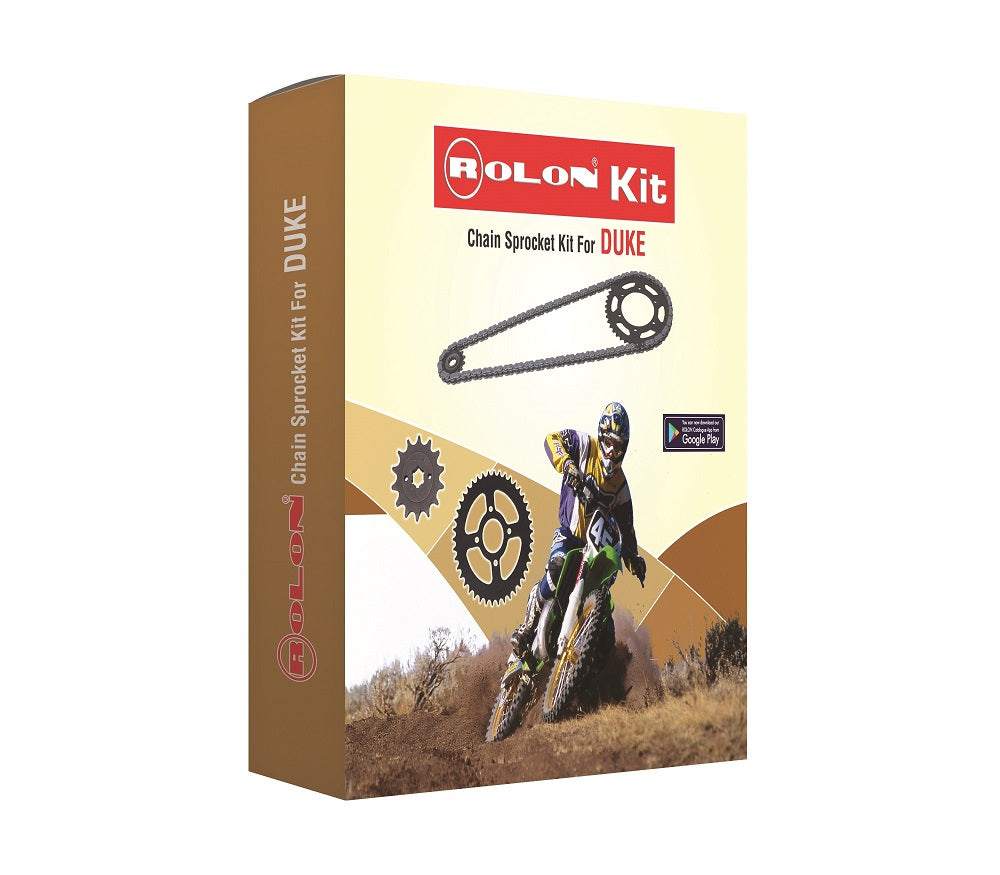
This collection exclusively features professional-grade, high-tensile drivetrains engineered specifically for the KTM lineup. Featuring heat-treated, high-carbon steel sprockets and factory-spec sealed X-Ring and O-Ring chains, these kits are structurally designed to withstand KTM's aggressive rotational mass and torque spikes without premature elongation or catastrophic tooth shearing.
Explore the Category
-
X-Ring & O-Ring Heavy-Duty Kits: Mandatory for the Duke 390, RC 390, and Adventure 390. These chains feature internal vacuum-injected grease permanently sealed by rubber X or O rings. This isolation drastically reduces metal-on-metal friction and is the only way a chain will survive the aggressive engine braking and torque output of a high-displacement KTM single-cylinder engine.
-
Standard OEM-Spec Kits: Engineered strictly for the lower-displacement Duke 125 and 200 series. Manufactured from high-tensile carbon steel, these provide exact factory fitment. They demand a rigid, unforgiving cleaning and lubrication schedule; neglecting them guarantees rapid chain degradation.
-
Induction-Hardened Steel Sprockets: Precision-machined front and rear sprockets. Our sprockets are heat-treated to ensure deep, symmetrical roller seating. This entirely prevents the chain from skipping teeth under heavy acceleration—a common failure point when using cheap alloy sprockets on a KTM.
-
Rivet-Type Master Links: High-displacement KTM chains cannot use clip-style master links. The centrifugal force and vibration at 10,000 RPM will eject a retaining clip, causing the chain to separate. We supply strict rivet-style master links that require a mechanical chain press tool to ensure a permanent, fail-safe connection.
Frequently Asked Questions (FAQs)
1. Why do KTM motorcycles wear out chains faster than other brands?
It is a matter of engine architecture. Large single-cylinder engines produce massive, pulsing torque spikes with every combustion stroke, unlike the smooth power delivery of an inline-four. This constant "hammering" effect stretches the chain rollers and grinds down the sprocket teeth. You cannot run cheap chains on a KTM; you must use high-tensile, sealed chains to absorb this mechanical abuse.
2. Can I use a clip-style master link on my Duke 390 or RC 390?
Absolutely not. Clip-style links are engineered strictly for low-horsepower commuter bikes or off-road dirt bikes where speeds are low. Installing a clip link on a 40+ horsepower KTM that reaches highway speeds is a fatal error. The vibration and centrifugal force will dislodge the clip, the master plate will slide off, and the chain will violently detach. You must use a hollow-pin rivet link and a proper riveting tool to flare the pin heads permanently.
3. Can I replace a stretched KTM chain but leave the old sprockets installed?
No. A chain and its sprockets mate mechanically and wear together. As the chain elongates, it machines the sprocket teeth into a hooked shape to match the new pitch. If you force a brand-new, tight chain onto hooked sprockets, the distorted teeth will physically tear the new chain rollers apart, destroying your new chain within a few hundred kilometers. The front sprocket, rear sprocket, and chain must always be replaced simultaneously.
4. Why does my KTM Adventure 390 require more chain slack than a Duke 390?
Suspension geometry dictates chain tension. The Adventure 390 has significantly longer suspension travel than the Duke or RC. When the rear shock compresses fully over an off-road obstacle, the swingarm geometry extends and tightens the chain to its absolute limit. If you adjust an Adventure's chain to the tight street-spec of a Duke, hitting a pothole will rip the front sprocket outward, instantly destroying the countershaft seal and causing a massive engine oil leak.
5. Is it necessary to replace the rubber cush drive dampers when changing the sprocket?
Yes, if they show any play. The rubber cush drive blocks inside the rear wheel hub are designed to absorb the aggressive torque spikes of the KTM engine before that force hits the chain. If these rubber blocks are hardened or shrunken, the raw shock goes directly into the sprocket carrier, accelerating chain wear and causing a harsh, jerky throttle response. Test the sprocket carrier for rotational play; if it moves independently of the wheel, the cush rubbers are dead and must be replaced.
KTM chain sprocket kit, Duke 390 chain kit, RC 390 drive chain, KTM Adventure 390 sprocket, KTM O-ring chain, X-ring motorcycle chain, KTM 200 Duke sprocket, high carbon steel sprocket, heavy duty motorcycle chain, rivet master link KTM, KTM drivetrain parts, anti rust motorcycle chain, OEM KTM sprocket, motorcycle chain replacement, KTM performance parts.